
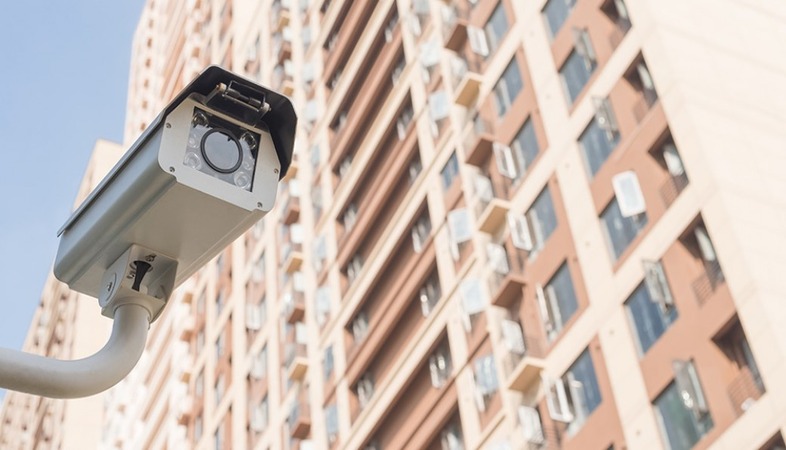
Have you ever wondered if your building’s security system is truly prepared for tomorrow’s threats? Apartment security has transformed from simple locks and guards into sophisticated ecosystems powered by artificial intelligence and real-time monitoring. With urban living on the rise and security challenges becoming more complex, residents and property managers are asking one crucial question: How can we create safer living spaces without compromising convenience?
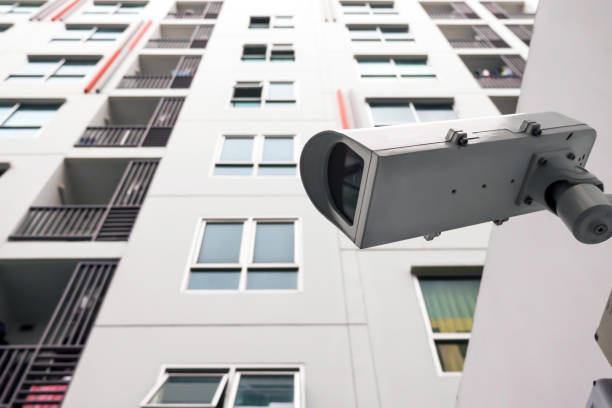
The answer lies in embracing intelligent solutions that don’t just react to incidents; they prevent them. Technologies like advanced close circuit cameras and AI-powered platforms such as Vidan AI are revolutionizing how we protect our homes, offering 24/7 vigilance that adapts to emerging threats and ensures every resident sleeps soundly.
Understanding Modern Surveillance: What Is CCTV Camera Technology?
Before diving into futuristic solutions, let’s address a fundamental question: what is CCTV camera technology, and why does it remain the backbone of building security?
CCTV (Closed-Circuit Television) refers to a system where video cameras transmit signals to a specific set of monitors, creating a “closed” network, unlike broadcast television. These cameras capture footage continuously or on demand, recording everything happening in designated areas.
Key Components of Modern CCTV Systems
Today’s CCTV infrastructure includes:
- High-definition cameras with 4K resolution and night vision capabilities
- Network Video Recorders (NVRs) that store footage digitally in the cloud
- Motion detection sensors that trigger recording when activity occurs
- Remote access capabilities allow property managers to monitor from anywhere
- AI analytics that identify unusual behavior patterns automatically
The evolution from grainy analog footage to crystal-clear digital streams has made close circuit cameras indispensable for apartment complexes. But cameras alone aren’t enough; the real power comes from what you do with the data they collect.
The Five Pillars of Apartment Security
Intelligent Access Control
Gone are the days of easily-copied keys. Modern apartments feature biometric scanners, smartphone-based access, and visitor management systems that track who enters and exits in real-time.
Perimeter Protection
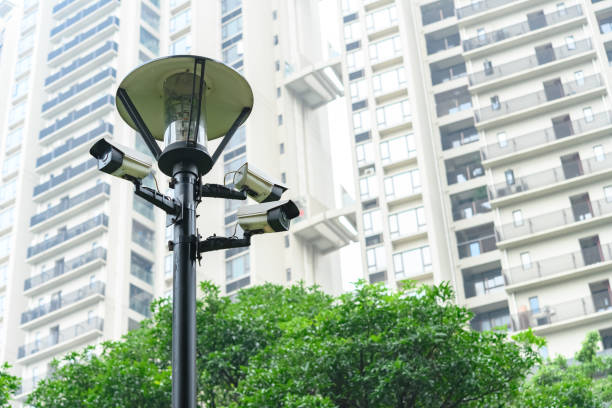
Strategic placement of close circuit cameras around building perimeters creates virtual boundaries. When integrated with motion sensors and lighting systems, these cameras deter potential intruders before they even approach entry points.
Common Area Monitoring
Lobbies, parking garages, elevators, and hallways require constant surveillance. AI-enhanced cameras can detect loitering, aggressive behavior, or abandoned objects, alerting security personnel immediately.
Emergency Response Integration
Modern apartment security systems connect directly with local emergency services, automatically dispatching help when sensors detect smoke, unauthorized access, or panic button activation.
Resident Communication Networks
Digital platforms enable instant alerts to residents during emergencies, creating a community-wide safety network where everyone stays informed about security concerns.
How Vidan AI Transforms Building Safety
While traditional security systems react to problems, Vidan AI takes a proactive approach that changes the game entirely.
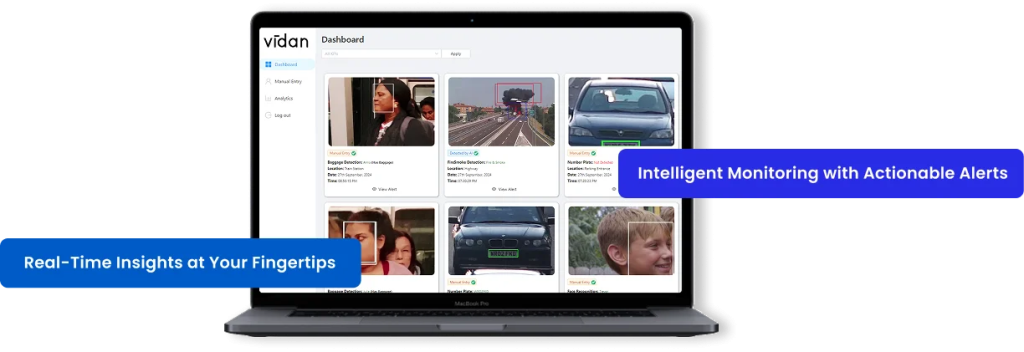
Vidan AI helps property managers and residents stay ahead by identifying potential risks before they escalate, flagging maintenance issues that could compromise safety, and ensuring operations run smoothly around the clock. Here’s how Vidan integrates seamlessly into modern apartment security frameworks:
| Feature | Traditional Systems | Vidan AI Advantage |
| Monitoring | Manual review of footage | Continuous AI analysis detects anomalies instantly |
| Maintenance | Reactive repairs | Predictive alerts preventing equipment failures |
| Protocol Compliance | Periodic audits | Real-time verification of safety procedures |
| Response Time | Minutes to hours | Immediate flagging and notification |
Whether implementing 24/7 monitoring across multiple buildings, establishing preventative maintenance schedules for security equipment, or ensuring fire safety protocols are consistently followed, Vidan adapts to what matters most to your property. The system learns your building’s unique patterns, distinguishing between normal activity and genuine threats with remarkable accuracy.
Practical Implementation: Building Your 2026 Security Strategy
Phase 1: Assessment (Weeks 1-2)
Conduct a comprehensive security audit identifying vulnerable entry points, blind spots in current camera coverage, and gaps in emergency protocols.
Phase 2: Infrastructure Upgrade (Weeks 3-6)
Install or upgrade CCTV cameras with AI capabilities, ensuring all common areas have adequate coverage. Integrate access control systems and emergency communication platforms.
Phase 3: AI Integration (Weeks 7-8)
Deploy intelligent monitoring solutions like Vidan AI that analyze footage, predict maintenance needs, and automate routine security checks.
Phase 4: Training & Testing (Weeks 9-10)
Train staff on new systems, conduct emergency drills, and test all equipment under various scenarios to ensure reliability.
Phase 5: Continuous Improvement (Ongoing)
Regularly review system performance, update software, and adapt protocols based on emerging threats and resident feedback.
Future Trends Shaping Apartment Security
Looking beyond 2026, several innovations will further transform how we protect residential buildings:
- Drone Surveillance: Autonomous drones patrolling building perimeters during nighttime hours
- Facial Recognition: Enhanced visitor verification systems that balance security with privacy concerns
- IoT Integration: Smart devices communicating with security systems to detect water leaks, gas leaks, or electrical hazards
The buildings that invest in adaptable, intelligent apartment security systems today will be best positioned to incorporate these advancements seamlessly tomorrow.
Conclusion
The future of building safety isn’t about installing more cameras; it’s about deploying smarter systems that work tirelessly to protect residents before threats materialize. As apartment security evolves, the combination of advanced CCTV camera technology and AI-powered platforms creates unprecedented safety levels while reducing the burden on security personnel.
Ready to transform your building’s security? Discover how Vidan AI can provide the 24/7 monitoring, proactive risk detection, and adaptive safety protocols your residents deserve. Don’t wait for an incident to expose vulnerabilities; take action today and build the secure community everyone wants to call home.