
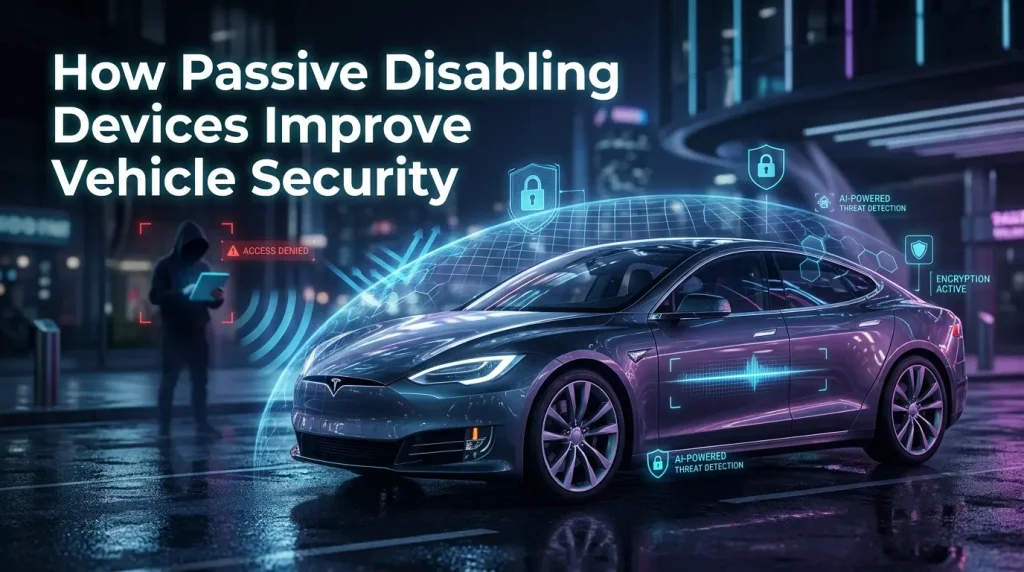
Want to prevent car theft without lifting a finger? A passive disabling device is an anti-theft system that secures your car the moment you turn off the engine and walk away. No manual activation required. In this blog, we explain passive disabling devices, how they work, the different types, their benefits, and how they compare with active anti-theft devices. Understanding these technologies can help protect your vehicle and lower your insurance premiums.
We also cover how auto dealerships, parking lot operators, auto storage facilities, boat yards, and commercial properties can proactively protect their fleet and outdoor assets from vehicle theft.
Key Takeaways
- Passive disabling devices secure your car hands-free the moment you leave.
- These devices use key recognition technology to prevent unauthorized engine starts.
- Installing a passive anti-theft device can lower your car insurance premiums.
- They operate automatically, unlike active systems that require manual input.
- Vidan AI offers smart AI-powered solutions for fleet and property vehicle protection.
What Exactly Is a Passive Disabling Device on a Car?
A passive disabling device is a security system built into or added to a vehicle. It automatically disables the car’s ignition, fuel system, or starter when the engine is turned off.
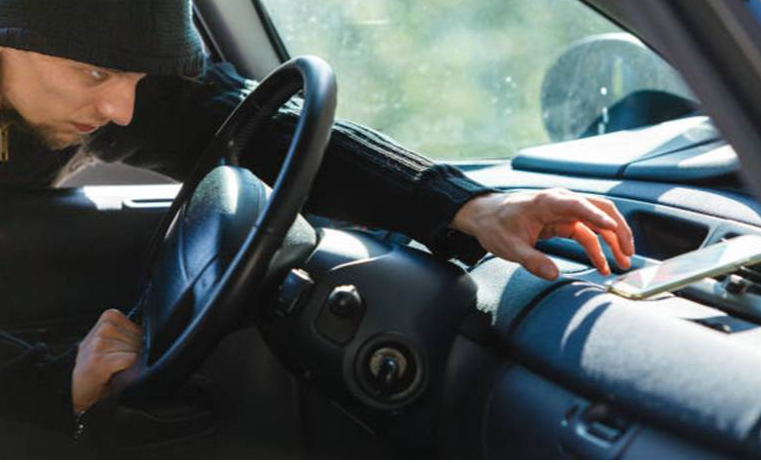
Unlike active systems, no button-pressing or remote activation is needed. The device arms itself automatically every single time. That is the core passive disabling device, meaning security that works without you thinking about it.
So, How Does It Work?
Most passive systems rely on an embedded chip in the ignition key. When the car is turned off, the system arms itself. When someone tries to start the vehicle without the correct key, the system blocks ignition entirely. This is how a passive engine immobilizer functions at its most fundamental level.
This is different from a passive car alarm, which may also trigger a siren when tampered with. Many modern vehicles combine both for layered protection.
Passive vs Active Car Alarm: Which One Actually Protects You?
The debate between passive vs active car alarm systems comes down to one thing: who does the work? With a passive system, the car does. With an active system, you do.
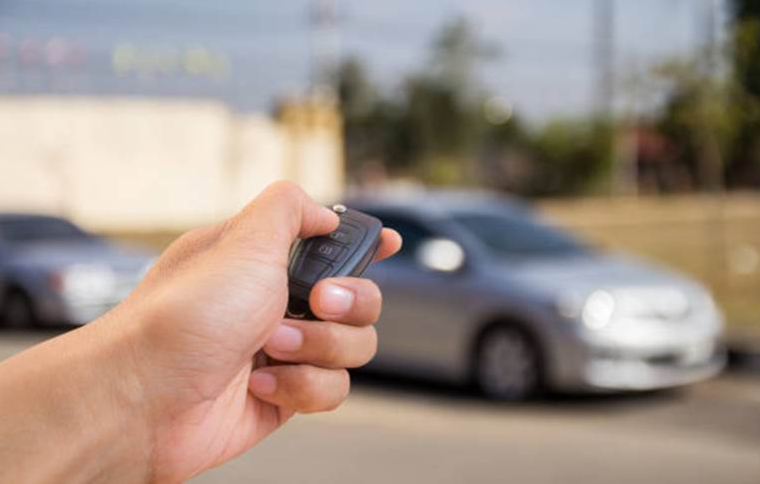
Here is a quick breakdown of the active vs passive alarm differences:
| Factor | Passive Device | Active Device |
| Activation | Automatic | Manual via key fob or app |
| User effort | None required | Required every time |
| Insurance discount | Often higher | Varies |
| Failure risk | Low — no user error possible | Higher — user must remember to activate |
For commercial properties managing many vehicles, pairing passive systems with AI video analytics creates a layered security approach that detects threats in real time. See how Vidan AI’s monitoring layer works alongside passive hardware.
The Types of Passive Disabling Devices Every Driver Should Know
Not all passive devices work the same way. Here are the most common types used in modern vehicles and commercial fleets.
Passive Engine Immobilizer
The passive engine immobilizer is the most widely used type. It communicates with the ignition key’s embedded chip. Without the correct chip signal, the engine will not start. Virtually all modern cars include this as a factory standard.
Passive Collar Shield
The passive collar shield, also referred to as a passive collar/shield, protects the steering column. It locks automatically and prevents physical tampering with the ignition. It is especially useful for older vehicles that lack electronic immobilizers.
Fuel Cut-Off Systems
These systems automatically cut the fuel supply when someone attempts a hot-wire start. The car cranks but never runs. Thieves move on quickly when the car refuses to start.
Starter Disablers
Starter disablers interrupt the electrical circuit required to crank the engine. Like fuel cut-offs, they activate automatically and require zero manual input from the driver.
Why Insurance Companies Actually Care About Your Anti-Theft System
If you have ever searched for a passive disabling device or asked your insurer about discounts, you already know anti-theft technology matters to underwriters.
A passive anti-theft device reduces the statistical risk of vehicle theft. Insurers reward that reduction with lower premiums. Some carriers offer discounts of 5 to 25 percent for verified passive systems.
Even popular vehicles like the Tesla Model Y benefit from a proper Tesla Model Y anti-theft device for insurance documentation, unlocking meaningful premium savings.
According to FBI Uniform Crime Reporting data, vehicle theft costs Americans billions of dollars annually. Insurers factor in metal theft risks, catalytic converter theft, and full vehicle theft when calculating premiums. Passive disabling devices directly reduce all of these risk categories.
For apartment communities and residential buildings, vehicle theft in parking areas is a growing concern. Apartment security, as building safety evolves, increasingly involves layering physical anti-theft devices with intelligent video surveillance for complete coverage.
Commercial Vehicle Security: Protecting Fleets and Outdoor Assets at Scale
Individual car owners are not the only ones at risk. Commercial operators face significant exposure to vehicle theft.
Auto Dealerships
Auto dealerships face significant losses from lot theft and inventory tampering. Pairing passive disabling devices with intelligent monitoring is essential. Automotive dealership security solutions today integrate passive anti-theft hardware with AI-powered video analytics for 24/7 lot coverage that never blinks.
Construction Sites
Construction vehicles are high-value targets for both metal theft and full vehicle theft. Benefits of remotely monitoring multiple construction sites for better security include real-time alerts when unauthorized vehicle movement is detected after hours, helping stop incidents before they escalate.
Parking Lots and Storage Facilities
Parking operators and auto storage facilities can use passive device anti-theft hardware alongside smart access management tools. Tips for tracking laundry room locker key usage with intelligent video demonstrate that intelligent video extends to all shared property spaces, not just vehicles. The same technology principles apply across the board.
Vidan AI: Smarter Vehicle Security for Every Commercial Property
Passive disabling devices stop unauthorized starts. But what about unauthorized entry, vandalism, or tampering that happens before anyone even reaches a vehicle?
Vidan AI fills that gap.

Its AI-powered video analytics platform gives commercial property managers real-time visibility across every corner of their lot, day and night. Whether you manage a dealership, a construction yard, a boat storage facility, or a large parking operation, Vidan AI detects suspicious activity the moment it begins.
What Vidan AI brings to your security strategy:
- AI-powered perimeter detection that triggers alerts before theft occurs
- License plate recognition to flag unauthorized vehicles instantly
- Remote monitoring of multiple sites from a single unified dashboard
- Seamless integration with existing passive anti-theft hardware
Vidan AI does not replace passive disabling devices. It works alongside them to create a complete, proactive vehicle security ecosystem that covers every angle your hardware cannot see.
| Free Vehicle Security Assessment
Not sure where your lot, dealership, or fleet has coverage gaps? Get a free walkthrough of your current setup and a custom recommendation on where passive hardware and AI video monitoring should meet. |
What Is an Active Disabling Device and How Is It Different?
What is an active disabling device? An active device requires the driver to manually arm it. Think key fob locks, remote kill switches, or smartphone-activated immobilizers.
With active systems, alarm-only and active-disabling devices still require your input. If you forget to activate them, the vehicle is completely unprotected. That is the fundamental vulnerability that passive systems eliminate entirely.
What is a passive car alarm? It is an alarm system that arms itself automatically every time the vehicle is turned off. What is an active alarm on a car? It requires manual arming, usually via a remote or app. The difference is everything when you are in a hurry and forget.
How to Find and Choose the Right Anti-Theft System for Your Vehicle
Not sure what anti-theft device you have? Check your vehicle’s owner’s manual or look for a small blinking indicator light on the dashboard. Many modern cars include a factory-installed passive engine immobilizer as standard equipment.
When shopping for aftermarket options, look for devices labeled as certified passive disabling devices for cars that your insurer approves. Many carriers, including Geico, maintain approved product lists for discount eligibility.
Ask these questions before buying:
- Does it meet your insurer’s specific certification requirements?
- Is it compatible with your vehicle’s existing electronics?
- Does it include both immobilizer and alarm functions?
- Is professional installation available from a certified technician?
- Will it qualify you for a premium discount?
Your Car and Your Fleet Deserve Smarter Protection
A passive disabling device is one of the smartest investments you can make in vehicle security. It works silently, automatically, and reliably every single time you park. It reduces the risk of theft and can meaningfully cut your insurance costs without any effort on your part.
For commercial operators managing large inventories, pairing passive-disabling devices with Vidan AI’s intelligent video platform creates a security ecosystem that leaves no gaps uncovered.
Ready to take vehicle security to the next level? Contact Vidan AI today to see how our AI-powered platform protects your fleet, lot, or commercial property around the clock. Because when it comes to vehicle theft, prevention is always smarter than recovery.
Reviewed by the Vidan AI Security Team — specialists in AI-powered video monitoring and commercial vehicle security for dealerships, construction sites, and parking operations.