
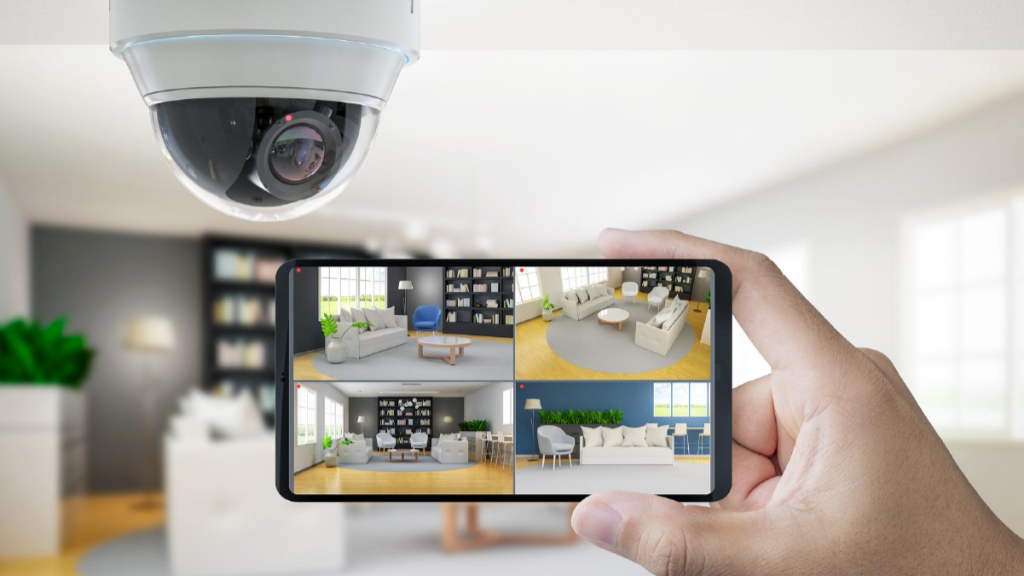
Home break-ins occur every 26 seconds in the United States. That’s over 3,300 burglaries per day, according to FBI statistics. Traditional security systems often fall short when you need surveillance in changing locations. Mobile security cameras solve this problem by offering portability without sacrificing protection.
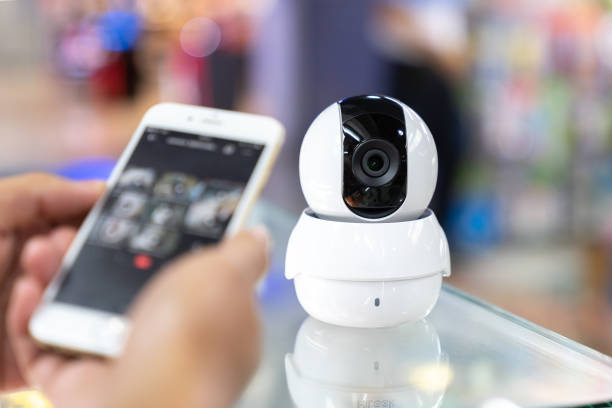
These compact devices have transformed how property owners monitor their assets. The mobile video surveillance market is expected to grow from USD 2.78 billion in 2025 to USD 4.00 billion by 2030, representing a compound annual growth rate (CAGR) of 7.5%. This technology utilizes camera systems mounted to capture real-time video footage. Unlike fixed installations, mobile units move where you need them most.
What You’ll Discover in This Guide
- Core features that make mobile cameras effective
- Different types available for various needs
- Installation strategies for optimal coverage
- Real-world applications across industries
- How to choose the right system
- Future trends in mobile surveillance
Understanding Mobile Security Camera Technology
What Makes Them Different
Mobile security cameras operate independently from traditional wired systems. They use battery power or solar panels for energy. Wireless connectivity transmits footage to cloud storage or local devices. This independence creates unprecedented flexibility.
Most units weigh under five pounds. They mount on tripods, vehicles, or temporary structures. Weather-resistant housings protect internal components. Operating temperatures range from -20°F to 140°F in quality models.
Core Components Explained
- Power Systems: Lithium-ion batteries provide 4-8 hours of continuous recording. Solar panel attachments extend this indefinitely in sunny conditions. Some models include AC adapters for semi-permanent setups.
- Connectivity Options: 4G LTE and 5G cellular networks enable remote access anywhere. Wi-Fi connections work within the range of routers. Bluetooth supports local device pairing for setup.
- Storage Solutions: Cloud services store footage securely off-site. SD cards offer local backup up to 512GB. Hybrid systems use both for redundancy.
Types of Mobile Security Cameras for Every Situation

Here are different types of mobile security cameras:
Battery-Powered Standalone Units
These cameras offer maximum portability. Place them anywhere without worrying about outlets. Battery life varies from 2-6 months depending on usage. Motion activation extends operational time significantly.
Popular in construction sites and temporary events. They monitor parking lots during special occasions. Homeowners use them for vacation property surveillance.
Vehicle-Mounted Systems
Designed for mobile patrol operations. They attach to cars, trucks, or security vehicles. Perfect for neighborhood watch programs and law enforcement support. The importance of police relations with the community for enhanced safety demonstrates how mobile surveillance aids community partnerships.
Recording continues while driving or parked. Wide-angle lenses capture 180-degree views. License plate recognition features identify vehicles automatically.
Solar-Powered Long-Term Solutions
Ideal for remote locations without electricity. Solar panels charge batteries during daylight. These systems operate continuously for years. Minimal maintenance is required after installation.
Farmers use them to monitor distant fields. Environmental researchers track wildlife without disturbance. Rural property owners protect isolated buildings.
Key Features That Define Quality Mobile Cameras
Resolution Matters
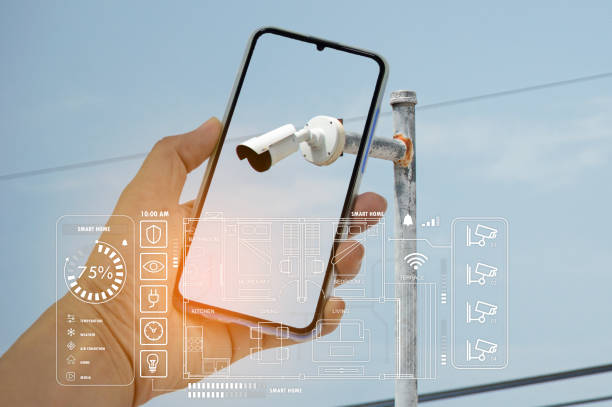
1080p HD represents the minimum standard. 4K models capture fine details like facial features. Higher resolution helps with evidence collection.
Night Vision Capabilities
Infrared LEDs illuminate darkness up to 100 feet. Color night vision uses ambient light for better clarity. How night vision cameras work explains the science behind these systems.
Motion Detection Intelligence
Advanced sensors distinguish between people, animals, and objects. This reduces false alerts dramatically. Customizable zones let you focus on specific areas.
Two-Way Audio
Built-in speakers and microphones enable communication. Warn intruders that you’re watching them. Talk to delivery personnel or visitors remotely.
Weather Resistance
IP65 or IP67 ratings withstand rain and dust. Vandal-proof housings deter tampering. Temperature regulation prevents fog and condensation.
Strategic Installation for Maximum Coverage
Start by identifying vulnerable points. Entrances and exits require priority coverage. Blind spots near buildings need attention. High-traffic areas benefit from continuous monitoring.
Mount cameras 8-10 feet high for optimal angles. This height deters tampering while maintaining clear views. Avoid direct sunlight that causes glare. Position units to capture faces, not just silhouettes.
Test connectivity before finalizing placement. Cellular signals vary by location. Wi-Fi extenders may help in larger properties. Always verify recording quality after installation.
Real-World Applications Across Industries
Construction and Development Sites
Equipment theft costs the industry $1 billion annually. Mobile security cameras deter criminals and document incidents. Project managers review progress remotely without site visits.
Time-lapse features showcase construction phases. Insurance claims benefit from continuous footage. Worker safety improves under surveillance.
Event Security and Crowd Management
Festivals, concerts, and sporting events use mobile units extensively. Temporary installations provide comprehensive coverage. Security teams monitor crowds in real-time.
Emergency responders access feeds during incidents. Event organizers analyze traffic flow patterns. Post-event reviews identify improvement opportunities.
Emergency and Disaster Response
Mobile cameras assist first responders during crises. They assess dangerous situations before entry. Temporary command centers use feeds for coordination.
Flood monitoring provides early warning systems. Fire departments check hot spots after containment. Search and rescue teams scout difficult terrain.
Introducing Vidan AI: Next-Generation Intelligence
Vidan AI revolutionizes mobile surveillance with artificial intelligence. It analyzes footage automatically, identifying threats instantly. Smart alerts notify you only when genuine concerns arise.
Advanced algorithms learn your property’s normal patterns. Unusual activity triggers immediate notifications. Cloud-based processing means no expensive local hardware. Vidan AI integrates seamlessly with existing mobile security cameras, enhancing their capabilities exponentially.
Choosing the Right System for Your Needs
Budget Considerations
Entry-level cameras start around $100-$200. Professional-grade systems cost $500-$1,500 per unit. Subscription services add $10-$30 monthly per camera.
Calculate total ownership costs, including batteries and storage. Solar options have higher upfront costs but lower maintenance. Cloud storage subscriptions provide ongoing expenses.
Coverage Area Requirements
Single cameras monitor approximately 2,000-4,000 square feet effectively. Multiple units create comprehensive security networks. Overlapping coverage eliminates blind spots.
Wide-angle lenses reduce camera counts needed. Pan-tilt-zoom functions increase versatility. Consider future expansion when planning systems.
Integration with Existing Security
Modern mobile security cameras work alongside traditional systems. Many platforms consolidate feeds into single dashboards. Check compatibility before purchasing.
Professional monitoring services connect to most brands. DIY monitoring saves money but requires attention. Hybrid approaches balance cost and convenience.
Future Trends in Mobile Surveillance Technology
Artificial intelligence will dominate next-generation cameras. Facial recognition becomes standard in premium models. Behavior analysis predicts suspicious activity before incidents.
5G connectivity eliminates lag. Real-time streaming in 4K has become commonplace. Edge computing processes data locally faster.
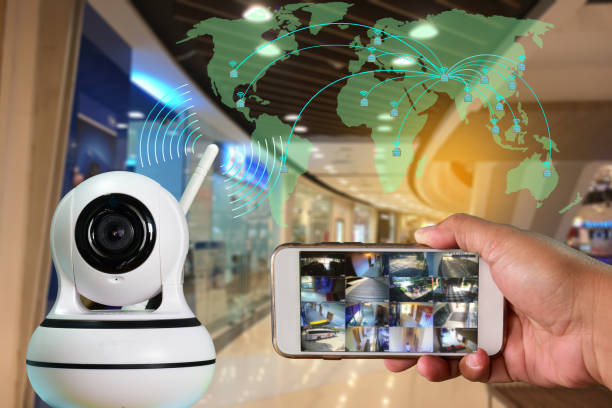
Battery technology improvements extend operational time. Graphene batteries may offer weeks between charges. Wireless charging eliminates cable connections entirely.
Integration with smart home ecosystems deepens. Voice assistants control camera functions naturally. Automated responses trigger based on detected threats.
Maximizing Return on Investment
Mobile security cameras prevent losses that dwarf their costs. Preventing theft justifies expenses quickly. Insurance discounts offset monthly fees.
Remote monitoring saves travel time and fuel. Property managers reduce site visits dramatically. Documentation speeds insurance claims processing.
Evidence quality improves legal outcomes. Clear footage leads to convictions and restitution. Liability protection prevents false accusations.
Conclusion
Mobile security cameras deliver unmatched flexibility for modern surveillance needs. Their portability adapts to changing requirements instantly. Technology advances continue to improve capabilities while reducing costs.
Ready to revolutionize your security approach? Vidan AI combines cutting-edge mobile camera technology with artificial intelligence that thinks like a security expert. Experience the difference intelligent surveillance makes. Visit Vidan AI today and discover how effortless comprehensive protection can be.