
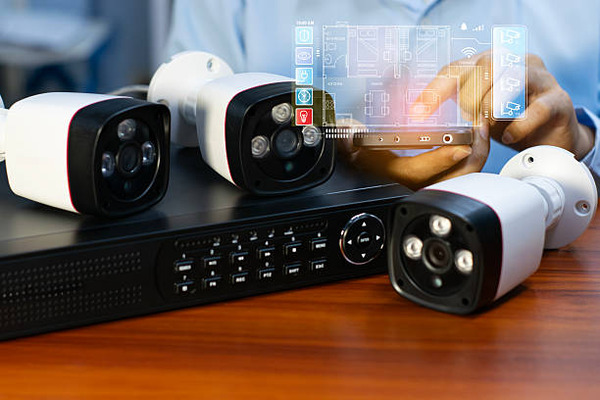
The break-in happened at 3:47 AM. While the family slept upstairs, their security camera didn’t just record the intruder. It alerted them in real-time, triggered floodlights, and captured crystal-clear footage that led to an arrest within 48 hours. This isn’t science fiction; it’s the reality of modern security technology that’s revolutionizing how we protect our homes and businesses.
Security cameras have evolved far beyond their passive, grainy predecessors. Today’s intelligent systems actively deter crime, adapt to darkness with sophisticated night vision, and respond to threats before they escalate. But how effective are they really, and what is the impact of security cameras?

The Crime Prevention Equation: What the Numbers Tell Us
Security cameras prevent crime statistics reveal a compelling story. Research from the Urban Institute found that security cameras reduced crime by approximately 50% in parking lots and 23% in public housing communities.
Meanwhile, a comprehensive study in Baltimore showed violent crime dropped by 30% in areas with visible camera installations.
But the question remains: do security cameras prevent crime statistics through their mere presence, or is there more to the equation?
The Psychology of Deterrence
Do security cameras deter crime effectively? The answer lies in criminal behavior patterns. Studies indicate that 60% of convicted burglars would choose a different target if they noticed a security camera. The visible presence of surveillance creates what criminologists call “guardianship,” the perception that someone is watching.
However, effectiveness depends on three critical factors:
- Visibility: Cameras must be noticeable enough to deter but secure enough to avoid tampering
- Coverage: Strategic placement eliminates blind spots that criminals might exploit
- Credibility: Modern, well-maintained systems signal active monitoring, while old, damaged cameras suggest neglect
The deterrent effect multiplies when cameras are part of a comprehensive security ecosystem that includes lighting, signage, and responsive monitoring.
When Darkness Falls: The Night Vision Revolution

Sixty-five percent of property crimes occur under the cover of darkness, making nighttime surveillance absolutely critical. But, night vision, how does it work in modern security cameras?
The technology relies on two primary approaches:
Infrared (IR) Technology: Most security cameras use IR night vision, which employs invisible infrared light to illuminate scenes. The camera’s sensor detects this reflected light, creating monochrome images even in complete darkness. An infrared illuminator for night vision typically consists of LED arrays surrounding the lens, projecting light up to 100 feet or more.
Low-Light Enhancement: Advanced night sight cameras amplify available ambient light from sources like streetlights or moonlight, producing color images in near-darkness without IR illumination.
Why Is Night Vision Popular On Cameras?
The answer lies in its reliability and affordability. Unlike traditional lighting that alerts intruders, infrared light for night vision remains invisible to the human eye. This covert illumination allows cameras to capture evidence without warning potential criminals of surveillance.
Components that make it work:
- Infrared light bulbs for night vision emit wavelengths between 700-1000 nanometers
- Camera sensors equipped with IR sensitivity detect these wavelengths
- Image processors convert IR data into visible monochrome footage
Choosing Your Night Vision Solution
The infrared vs night vision debate often confuses consumers. Here’s the distinction: all infrared technology IS night vision, but not all night vision uses infrared.
Night-time vision cameras with IR excel in complete darkness and offer a longer range. Color night vision cameras perform better in low-light conditions when some ambient light exists, providing more detail for identification purposes.
For optimal security, many professionals recommend cameras that combine both technologies, automatically switching modes based on available light conditions.
Beyond Recording: The Intelligence Revolution
Modern security cameras represent a fundamental shift from passive documentation to active protection. Artificial intelligence transforms these devices into intelligent guardians that:
- Recognize patterns in human behavior and distinguish between threats and normal activity
- Identify faces and vehicles, creating searchable databases of visitors and events
- Trigger responses automatically, from alerts to emergency services dispatch
- Learn environments to reduce false alarms while increasing threat detection accuracy
This evolution means your security system doesn’t just answer “what happened?” it asks “what’s happening now?” and “what should we do about it?”
Vidan AI: Intelligence Meets Security
Vidan AI represents the cutting edge of this transformation. By integrating advanced artificial intelligence with professional-grade hardware, Vidan AI doesn’t just watch; they understand.

The system distinguishes between a delivery person, a family member, and a potential threat. It adapts to your property’s unique patterns, learning what’s normal and alerting you only to genuine concerns. With superior night vision capabilities and cloud-based intelligence, Vidan AI ensures nothing escapes notice, whether at noon or midnight.
Real-time alerts, intelligent zones, and seamless mobile access mean you’re always connected to what matters most: the safety of your property and loved ones.
Making the Investment Count
Strategic Placement Principles
Even the most advanced camera fails if poorly positioned. Professional installers follow these guidelines:
- Entry points first: Doors and ground-level windows receive priority coverage, as these represent 81% of break-in access points.
- Overlap coverage zones: No single camera should stand alone; overlapping fields of view eliminate blind spots and provide backup if one device fails.
- Height matters: Mount cameras 8-10 feet high, low enough for facial recognition but high enough to prevent easy tampering.
Maintenance for Maximum Deterrence
A camera covered in spider webs or obviously damaged loses its deterrent value. Monthly cleaning, quarterly testing, and annual professional inspections ensure your system maintains both functionality and psychological impact.
Conclusion
Security cameras have transcended their recording-only origins to become intelligent, responsive guardians that actively deter crime and protect what you value most. With sophisticated night vision capabilities and AI-driven intelligence, modern systems like Vidan AI offer unprecedented awareness and control.
Ready to experience the Vidan AI difference? Transform your security from passive recording to active protection. Discover how Vidan AI can safeguard your property, day and night. Connect today for a personalized security consultation.