
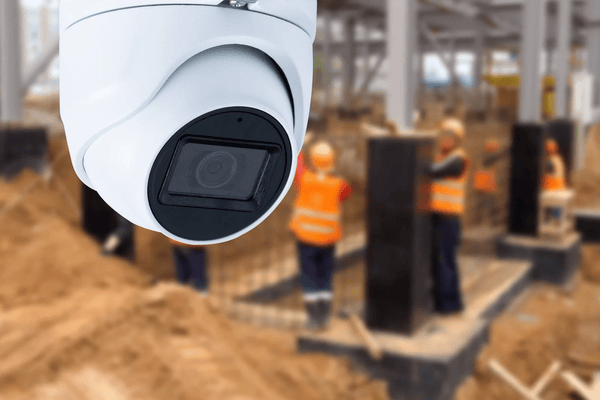
Theft, misplacement, and inventory chaos cost construction companies billions annually, yet most sites still rely on outdated clipboards and manual checks. The challenge isn’t just tracking materials; it’s maintaining real-time visibility across sprawling job sites where equipment vanishes overnight, and supply delays cascade into six-figure losses. Modern construction site storage demands more than padlocks and security guards.

With AI-powered surveillance transforming how industries manage assets, remote monitoring has evolved from a luxury to an operational necessity. This blog explores how intelligent systems are revolutionizing inventory oversight, cutting losses, and streamlining workflows across construction and manufacturing sectors.
The Critical Challenge of Construction Site Storage
Why Traditional Storage Methods Fail
Construction sites operate as dynamic environments where materials arrive in waves, tools circulate between teams, and equipment shifts locations hourly. Traditional construction site storage relies on:
- Physical patrols covering only fractions of large sites
- Post-incident reviews when theft or damage has already occurred
- Disconnected systems that can’t communicate across departments
The financial impact extends beyond replacement costs: project timelines slip, labor sits idle, and client relationships deteriorate.
The Real Cost of Poor Storage Management
| Impact Area | Annual Loss (Average Mid-Size Project) |
| Equipment Theft | $45,000 – $85,000 |
| Material Waste | $30,000 – $60,000 |
| Productivity Loss | $75,000 – $120,000 |
| Insurance Premiums | +15% – 30% |
These numbers don’t account for intangible costs: damaged reputation, stressed site managers, and the cumulative effect of constant firefighting.
How Remote Monitoring Transforms Storage Oversight

Real-Time Visibility Changes Everything
AI-powered surveillance cameras don’t just record, they analyze, alert, and predict. When integrated with construction site storage areas, these platforms provide:
- 24/7 automated monitoring without human fatigue
- Instant alerts for unauthorized access or movement
- Historical analytics revealing usage patterns and bottlenecks
- Mobile accessibility allows managers to check sites from anywhere
- Integrated reporting that ties storage data to project timelines
Unlike passive security cameras, intelligent systems recognize anomalies: a forklift operating during off-hours, materials being moved to unauthorized zones, or containers left unsecured. This proactive approach shifts teams from reactive crisis management to preventive optimization.
Key Features of Effective Remote Monitoring
- Motion Detection with Context Awareness
Smart AI video analytics distinguishes between routine activity (workers retrieving tools during shifts) and suspicious behavior (vehicles approaching storage at 3 AM). Contextual analysis reduces false alarms by 87% compared to basic motion sensors.
- Inventory Tracking Through Visual Recognition
Advanced systems identify materials, equipment, and containers through computer vision, automatically updating inventory databases as items move. This eliminates manual counting and provides instant stock level verification.
- Geofencing and Zone Management
Digital perimeters trigger alerts when assets leave designated areas. If a generator crosses the site boundary or materials enter unauthorized zones, supervisors receive immediate notifications with video evidence.
Applications Beyond Construction: Manufacturing Industries
Warehouse and Factory Storage Optimization
Manufacturing facilities face parallel challenges in managing raw materials, work-in-progress inventory, and finished goods. Remote monitoring delivers:
- Just-in-time verification ensures materials arrive and reach production lines without delays
- Quality control checkpoints catch contamination or damage before manufacturing begins
- Automated cycle counting reduces physical audits by 60-80%
- Compliance documentation for regulated industries requiring chain-of-custody records
An automotive parts manufacturer implemented AI surveillance across its construction site storage-style outdoor material yards, reducing inventory discrepancies from 8% to 0.4% within six months.
Cross-Industry Benefits
| Sector | Primary Monitoring Focus | ROI Timeline |
| Construction | Tools, Equipment, Raw Materials | 3-6 months |
| Manufacturing | Component Inventory, Quality Control | 4-8 months |
| Logistics | Container Security, Loading Verification | 2-5 months |
Implementing Remote Storage Monitoring: A Practical Framework

Phase 1: Site Assessment and Planning
Identify High-Value Storage Zones
Not all storage areas require identical monitoring intensity. Prioritize:
- Tool cribs and locked containers (highest theft risk)
- Bulk material stockpiles (difficult to verify manually)
- Equipment parking areas (high-value assets)
- Delivery/staging zones (operational bottlenecks)
Phase 2: Technology Selection and Integration
Choose systems offering:
✓ Cloud-based access for multi-site management
✓ Mobile compatibility for field teams
✓ API connections to existing project management software
✓ Scalable camera/sensor networks
✓ Local storage backup for connectivity issues
Phase 3: Team Training and Protocol Development
Technology succeeds only when teams adopt it. Effective rollouts include:
- Role-specific training (site managers vs. security vs. inventory clerks)
- Clear alert escalation procedures
- Regular system audits and performance reviews
- Feedback loops for continuous improvement
Vidan AI: Intelligent Surveillance for Modern Construction
Vidan AI specializes in transforming standard security cameras into intelligent monitoring systems designed for construction site storage challenges. It combines computer vision, machine learning, and intuitive interfaces to deliver:
- Automated inventory tracking without RFID tags or manual scans
- Behavioral analysis detecting suspicious activity patterns
- Customizable alert systems reduce notification fatigue
- Integration capabilities with existing project management tools
- Scalable deployment from single sites to enterprise portfolios
Vidan AI understands the manufacturing compliance, unique demands of job sites, dust, lighting variations, and complex layouts and adapts accordingly. It learns site-specific patterns, improving accuracy over time while maintaining data privacy and security standards.
Measuring Success: KPIs for Storage Monitoring
Track these metrics to quantify impact:
Operational Metrics
- Inventory accuracy rate (target: >98%)
- Average time to locate materials (reduce by 50%+)
- Security incident response time (under 5 minutes)
Financial Metrics
- Monthly theft/loss reduction (dollars saved)
- Labor hours recovered from manual tracking
- Insurance premium adjustments
Project Metrics
- Material-related delays per project
- On-time delivery percentage improvement
- Client satisfaction scores
Conclusion
The era of reactive construction site storage management is ending. As projects grow more complex and margins tighten, intelligent remote monitoring becomes the difference between chaos and control.
Companies implementing AI-powered surveillance report not just reduced losses, but transformed operations, teams spend less time searching and more time building, supervisors gain confidence in their data, and projects finish on schedule with materials accounted for.
Ready to eliminate storage headaches and protect your bottom line? Discover how Vidan AI’s construction-specific monitoring solutions can give you complete visibility across every job site. Schedule your personalized demo today and see real-time intelligence in action, because your materials deserve better than clipboards and hope.