
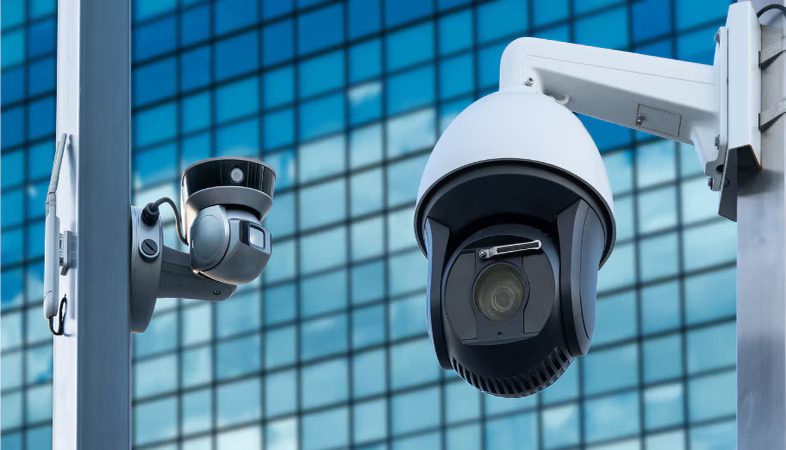
Ever watched a security guard manually adjust a fixed camera, only to miss the action happening just out of frame? That frustration ends with pan tilt zoom technology. The right PTZ solution can mean the difference between catching every detail and leaving blind spots in your surveillance network.
Modern pan tilt zoom cameras have revolutionized security monitoring by eliminating the need for multiple fixed cameras. With 360-degree rotation, precise tilt control, and powerful zoom capabilities, these intelligent systems put comprehensive coverage at your fingertips. But here’s the challenge: the market is flooded with options ranging from budget-friendly WiFi PTZ bulb cameras to professional-grade PTZ cameras, each promising to be your security savior.

In this comprehensive guide, we’ll cut through the noise and help you navigate the world of PTZ surveillance cameras, exploring everything from basic features to advanced specifications, so you can make an informed decision that protects what matters most.
Understanding PTZ Technology: More Than Just Movement
What Makes a Camera “PTZ”?
At its core, a camera PTZ system combines three critical movements: horizontal panning (typically 0-360°), vertical tilting (usually -90° to +90°), and optical zooming (ranging from 4x to 40x or more). Unlike static cameras that capture one fixed view, these dynamic systems actively respond to security events, following subjects across large areas with remarkable precision.
The technology behind pan tilt zoom camera systems has evolved dramatically. Early models required dedicated controllers and complex wiring, but today’s WiFi PTZ cameras offer seamless integration with smartphones, allowing real-time control from anywhere in the world. The shift from analog CCTV PTZ cameras to digital PTZ IP cameras has brought sharper images, intelligent tracking, and cloud connectivity into mainstream security solutions.
The Anatomy of Superior Coverage
Think of traditional fixed cameras as security guards who can only look in one direction. A PTZ CCTV camera acts more like a vigilant sentinel who can survey an entire area, zoom in on suspicious activity, and automatically patrol predefined routes. This capability dramatically reduces the total number of cameras needed; one strategically placed best PTZ outdoor camera can replace four to six fixed units, offering both cost savings and simplified management.
Resolution: When 4K Actually Matters
You’ve probably seen PTZ camera 4K options advertised everywhere, but do you actually need that resolution? Here’s the truth: 4K becomes essential when you need to zoom after recording or cover areas exceeding 100 feet digitally. For smaller spaces or applications where you’ll primarily use optical zoom, a well-configured 1080p PTZ surveillance camera often delivers exceptional results at a fraction of the cost.
Zoom Specifications Decoded
Not all Zoom is created equal. A camera with 20x optical zoom fundamentally differs from one with 20x digital zoom. Optical zoom uses physical lens adjustments to magnify images without quality loss, while digital zoom simply crops and enlarges pixels, resulting in grainy footage. When evaluating pan tilt zoom camera prices, always prioritize optical zoom specifications; it’s where the real surveillance value lies.
Types of PTZ Cameras: Finding Your Perfect Match
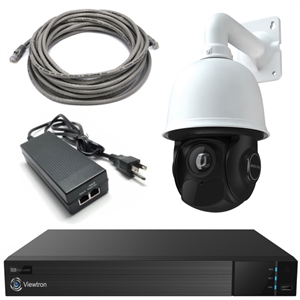
Indoor vs. Outdoor Considerations
Choosing between indoor and outdoor PTZ cameras involves more than weatherproofing. A WiFi camera PTZ outdoor unit needs IP66 or IP67 ratings to withstand rain, dust, and temperature extremes. Consider the PTZ solar security camera if running power cables proves challenging. These self-sufficient units harness solar energy while maintaining full functionality, though they typically offer slightly reduced zoom capabilities compared to wired alternatives.
Indoor deployments present different challenges. The PTZ camera drop down ceiling mount has become increasingly popular in commercial spaces, offering discreet monitoring without obstructing sightlines. These flush-mount options often include mini PTZ mechanisms that pack impressive capabilities into compact housings, perfect for retail environments where aesthetics matter.
Connectivity Options That Make Sense
The WiFi PTZ camera versus wired debate continues, but the answer depends entirely on your infrastructure. Wireless models offer incredible installation flexibility and work beautifully in existing buildings where running cables would be disruptive. However, hardwired PTZ IP cameras deliver more reliable connections, higher bandwidth for 4K streaming, and better performance in areas with wireless interference.
Some manufacturers like Blink have entered the market with simplified Blink PTZ camera options aimed at DIY homeowners, while professional brands such as PTZOptics focus on broadcast-quality systems. Understanding where your needs fall on this spectrum helps narrow down options quickly.
Budget Planning: The Real Cost of PTZ Camera
Breaking Down PTZ Camera Pricing
The cost of PTZ cameras varies wildly, from under $100 for basic WiFi PTZ bulb cameras to over $5,000 for professional broadcasting systems. Here’s what you can expect at different price points:
Budget Range ($100-$300): Entry-level WiFi PTZ cameras with basic pan/tilt functions, 1080p resolution, and 4x-8x zoom. These work well for home security or small business applications where advanced features aren’t critical.
Mid-Range ($300-$1,000): Quality PTZ surveillance cameras offering 1080p-4K resolution, 12x-20x optical zoom, intelligent tracking, and robust weatherproofing. This sweet spot delivers professional performance for most commercial applications.
Premium Range ($1,000-$5,000+): Professional-grade systems like PTZOptics cameras with exceptional low-light performance, 30x+ zoom, advanced auto-tracking, and broadcast-quality output. The PTZOptics price reflects their specialized capabilities, making them ideal for large facilities, live production, or critical infrastructure.
Hidden Costs Nobody Mentions
Beyond the camera itself, factor in mounting hardware (a specialized PTZ camera drop down ceiling mount can add $50-$200), network infrastructure upgrades for bandwidth-intensive 4K streams, and storage solutions for continuous recording. Professional installation might cost $200-$500 per camera, though many modern PTZ WiFi cameras are genuinely DIY-friendly.
Vidan AI: The Intelligence Behind Smart Surveillance
Traditional PTZ CCTV cameras required constant human monitoring or followed basic motion detection rules, often triggering false alarms from swaying trees or passing clouds. Vidan AI transforms pan tilt zoom camera systems into proactive security assistants that understand context, distinguish between threats and harmless activity, and respond intelligently to complex scenarios.
How Vidan AI Enhances PTZ Performance
Vidan AI integration enables your PTZ video cameras to automatically identify and track specific subjects, whether that’s following a person through a parking lot, monitoring vehicles in restricted areas, or detecting unusual behavioral patterns. The system learns your environment’s normal activity patterns, dramatically reducing false alerts while ensuring genuine security events receive immediate attention.
For businesses managing multiple IP camera zoom tilt pan units across large properties, Vidan AI provides centralized intelligence that coordinates camera movements, optimizes patrol patterns, and even predicts where attention might be needed next based on historical data. This transforms reactive security into predictive protection.
The platform’s flexibility means it works seamlessly whether you’re running a single best PTZ security camera at your home or managing dozens of PTZ outdoor cameras across a corporate campus. Cloud-based analytics provide insights that help you optimize camera placement, adjust motion sensitivity, and identify coverage gaps, capabilities that would require dedicated security analysts in traditional setups.
Making Your Selection: A Decision Framework
Step 1: Define Your Coverage Area: Measure the space you need to monitor and identify critical zones requiring detailed observation. A parking lot might need wide-area patrol capabilities, while a cash register demands consistent close-up coverage. This determines whether a single best PTZ outdoor camera suffices or if you need multiple units working in coordination.
Step 2: Assess Environmental Challenges: Low-light areas demand cameras with superior night vision and larger sensors. Outdoor installations in harsh climates require IP66+ weatherproofing. Areas without convenient power access might benefit from a PTZ solar security camera, while locations with unreliable WiFi need hardwired PTZ IP camera solutions.
Step 3: Prioritize Features Based on Use Case: Retail environments benefit from auto-tracking and facial recognition. Industrial sites need ruggedized construction and extended zoom ranges. Home security typically prioritizes ease of use and mobile accessibility. Match features to actual needs rather than chasing specifications that sound impressive but serve no practical purpose.
Step 4: Calculate Total Cost of Ownership Compare the pan tilt zoom camera price including installation, storage infrastructure, and ongoing maintenance. Sometimes spending 20% more upfront on a best pan tilt zoom camera with better reliability and longer warranties saves significantly over a 3-5 year deployment.
Installation Tips for Maximum Effectiveness
The best PTZ camera poorly installed delivers inferior results compared to a mid-range model optimally positioned. Mount cameras at heights between 10-15 feet for ideal coverage; high enough to prevent tampering but low enough for facial recognition. Ensure rotation paths remain unobstructed and consider backlighting challenges during different times of day.

For WiFi PTZ outdoor installations, verify signal strength at the mounting location before final installation. Many promising deployments fail simply because WiFi doesn’t reliably reach the camera position. In these cases, consider mesh network extenders or switch to PTZ IP cameras with wired Ethernet connections.
Configure patrol patterns that align with actual security concerns rather than randomly scanning areas. Set home positions where cameras automatically return after investigating alerts, ensuring consistent coverage of your most vulnerable zones.
Conclusion
Selecting the right PTZ surveillance camera doesn’t require a security engineering degree, just clarity about your specific needs, realistic budget expectations, and understanding of the technology’s capabilities.
The security landscape continues evolving, with innovations in AI tracking, cloud connectivity, and image processing making today’s pan tilt zoom cameras more powerful and accessible than ever. Don’t let analysis paralysis prevent you from taking action; even a modest WiFi PTZ camera installation provides dramatically better security than fixed alternatives.
Ready to transform your security approach? Start by assessing your most critical coverage gaps and explore options that fit your budget. The peace of mind that comes from comprehensive, intelligent surveillance is worth the investment, and with the guidance in this article, you’re now equipped to make the right choice for your unique situation.