
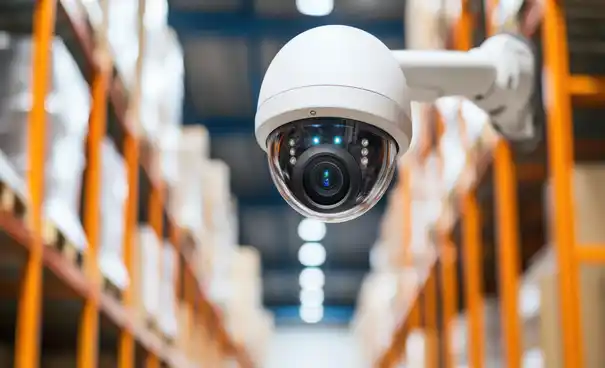
You’ve probably walked past hundreds of them without giving them much thought. Those small, watchful eyes mounted on corners, ceilings, and walls have become so commonplace that we barely notice them anymore. Yet behind these devices lies a world of technological sophistication that has transformed how we protect homes, businesses, and public spaces.
The humble surveillance cameras has evolved from grainy, tape-recording equipment into intelligent systems that can recognize faces, detect unusual behavior, and alert you instantly when something goes wrong.

Whether you’re a homeowner considering your first security setup or a business owner upgrading your existing system, understanding what these devices actually do, and what they’ve become, matters more than ever.
What Does a Surveillance Camera Mean?
A surveillance camera definition goes beyond the simple “a camera that watches things” explanation you might expect.
To properly define security camera systems: these are electronic products that capture, record, and transmit images of certain locations in order to provide security, surveillance, or to investigate. The current system combines hardware (the camera itself), software (processing and analysis), storage (cloud or local), and network structure (to be connected remotely).

The word “camera de surveillance” (French for surveillance camera) has entered common usage because security technology development has always been international. From German engineering to Japanese optics to American software innovation, these devices represent global technological collaboration.
The Three Core Components
- Lens and Sensor: The eye of the operation. Today’s sensors capture not just visible light but can also see in infrared, detect motion through heat signatures, and adjust to extreme lighting conditions automatically.
- Processing Unit: This is where raw footage becomes actionable intelligence. Modern cameras don’t just record, they analyze, categorize, and make decisions about what matters.
- Connectivity Interface: Whether through cables, Wi-Fi, or cellular networks, this component determines how footage is transmitted to you and where it is stored.
A Timeline Worth Watching: How Surveillance Technology Evolved
1960s – The Analog Era Begins
The first commercial systems used closed-circuit television (CCTV) technology. Banks and government facilities led adoption. The footage was grainy, black and white, and required someone to constantly monitor the screens.
1990s – Digital Recording Arrives
VCRs gave way to digital video recorders (DVRs). Storage capacity increased dramatically. However, cameras themselves remained relatively unsophisticated.
2000s – Network Connectivity Changes Everything
IP cameras emerged, allowing footage to travel over internet connections. Remote viewing became possible. Monitoe systems (monitoring equipment) could now be accessed from anywhere with an internet connection.
2010s – The Intelligence Revolution
Motion detection became standard. Night vision improved exponentially. Mobile apps made surveillance accessible to average consumers, not just businesses with dedicated security teams.
2020s – AI Takes the Helm
Today’s advanced systems use artificial intelligence to distinguish between a person, a pet, and a passing car. They recognize faces, read license plates, and send specific alerts based on what they detect rather than just when they detect movement.
Types of Surveillance Cameras: A Comprehensive Breakdown
| Camera Type | Best For | Key Feature |
| Dome Cameras | Indoor Retail, Offices | Discreet, 360° coverage |
| Bullet Cameras | Outdoor Perimeters | Weather-resistant, long-range |
| PTZ Cameras | Large Areas, Parking Lots | Pan/tilt/zoom control |
| Turret Cameras | General Purpose | Easy installation, flexible |
| Fisheye Cameras | Wearhouses, Lobbies | 180-360° field of view |
Specialized Categories
- Thermal Cameras: These don’t rely on visible light at all. They detect heat signatures, making them invaluable for perimeter security in complete darkness or adverse weather.
- License Plate Recognition (LPR): Designed with specialized lenses and software, these cameras can capture and read license plates on vehicles traveling up to 100 mph.
- Covert Cameras: Disguised as everyday objects, smoke detectors, clocks, or even electrical outlets, these serve specific investigative purposes.
- 360-Degree Cameras: Using fisheye lenses or multiple sensors, they eliminate blind spots, though image distortion at the edges requires software correction.
Smart Features That Define Modern Security Cameras

The difference between basic and advanced surveillance camera systems often comes down to intelligent features:
- Facial Recognition: The camera learns to identify family members, employees, or known individuals and alerts you only when strangers appear
- Person Detection: Distinguishes humans from animals, vehicles, or moving shadows to reduce false alarms by up to 90%
- Activity Zones: You designate specific areas to monitor while ignoring others, perfect when you want alerts about driveway activity but not passing street traffic
- Two-Way Audio: Speak through the camera whether to greet a delivery person, warn off a trespasser, or check on elderly family members
- Smart Integration: Cameras that work with Alexa, Google Home, or Apple HomeKit create synchronized security ecosystems
- Cloud Intelligence: Footage analyzed in real-time by powerful servers that spot patterns invisible to human observers
Installation Considerations That Security Companies Won’t Always Tell You

Wired vs. Wireless: Wireless sounds convenient until you’re replacing batteries monthly or dealing with Wi-Fi dead zones. Wired systems require installation effort but offer reliability and continuous power.
Power Over Ethernet (PoE): The professional standard. A single cable provides both power and data connection, simple, reliable, and secure from wireless interference.
Placement Psychology: Visible cameras deter opportunistic criminals. Hidden cameras catch sophisticated ones. The best systems use both strategically.
Weatherproofing Ratings: IP65 handles rain. IP66 handles pressure washing. IP67 handles temporary submersion. Match the rating to your actual environmental conditions.
Night Vision Range: Manufacturers often exaggerate. Real-world performance usually delivers about 60-70% of the advertised range under actual darkness conditions.
Legal and Privacy Considerations You Can’t Ignore
Recording people without their knowledge has legal implications that vary dramatically by location:
In most jurisdictions, you are allowed to record in any place where you have a reasonable expectation of privacy within your premises. Nevertheless, when cameras are pointed at neighbors’ windows, backyards, or other personal spaces, this becomes a legal liability.
In most locations, there are stricter regulations on audio recording than on video. Certain areas must be consented to by both parties, i.e., everybody involved must be aware of it.
Monitoring systems in the workplace should strike a balance between the need for security and the right to privacy of the employees. In many regions, it is necessary to notify that it is being recorded, and certain areas do not allow the use of cameras in bathrooms, changing rooms, or break areas, even on the basis of security.
Data protection regulations like GDPR in Europe impose strict requirements on how footage is stored, who can access it, and how long it’s retained.
Future Trends Shaping Surveillance Technology

Artificial Intelligence Integration
Cameras will continue getting smarter. Future systems will predict security events before they occur by recognizing patterns in behavior and environmental conditions.
Edge Computing
Instead of sending all footage to the cloud for analysis, processing happens within the camera itself, reducing bandwidth needs and improving privacy.
Enhanced Biometrics
Beyond faces, next-generation systems will analyze gait, clothing, and even emotional states to provide richer contextual information.
Improved Privacy Protections
Emerging technologies will allow cameras to detect and blur faces automatically, recording events without compromising individual privacy.
5G Connectivity
Faster wireless networks will make high-resolution, multi-camera systems practical without complex wiring infrastructure.
Making the Right Choice for Your Needs
Selecting appropriate surveillance technology depends on specific requirements rather than simply buying the most expensive system available.
Small enterprises must be more advanced, have professional cameras with higher low-light capabilities, longer retention times, and potentially the ability to count people or use heat maps to see how customers are moving.
Large enterprises need a centralized management system, redundancy, professional installation, frequent access control an alarm systems, and emergency response procedures.
Why Vidan AI Represents the Next Generation
Traditional security camera systems collect footage. Vidan AI understands it.
Vidan AI works with your existing cameras or our purpose-built hardware designed for optimal AI performance. Professional monitoring services connect directly to emergency responders when threats are detected.
Ready to experience truly intelligent surveillance? Visit Vidan AI today and discover how modern security technology should work, protecting what matters without overwhelming you with information you don’t need.