Security Blog

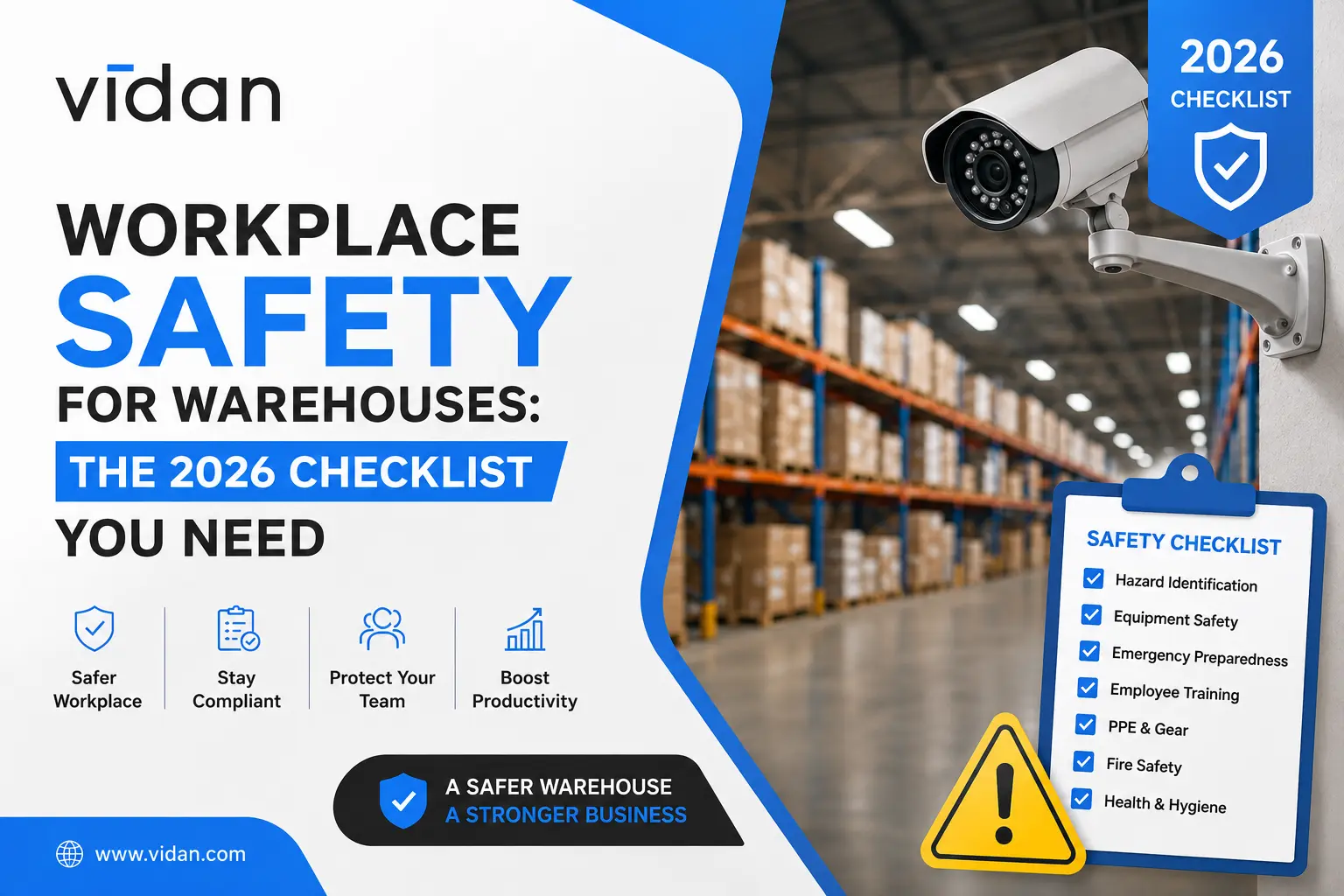
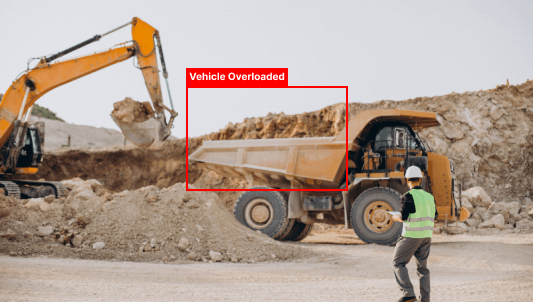
Warehouses were among the deadliest workplaces. Forklift accidents, improper storage, blocked exits, and ignored hazards cost companies millions in fines, lawsuits, and lost productivity. The higher cost? Human lives.
Security teams are facing a challenge that traditional methods can no longer solve alone. Threats move faster. Properties are larger. Criminal tactics continue to evolve. Meanwhile, security teams are expected to protect people, assets, operations, and reputations around the clock.
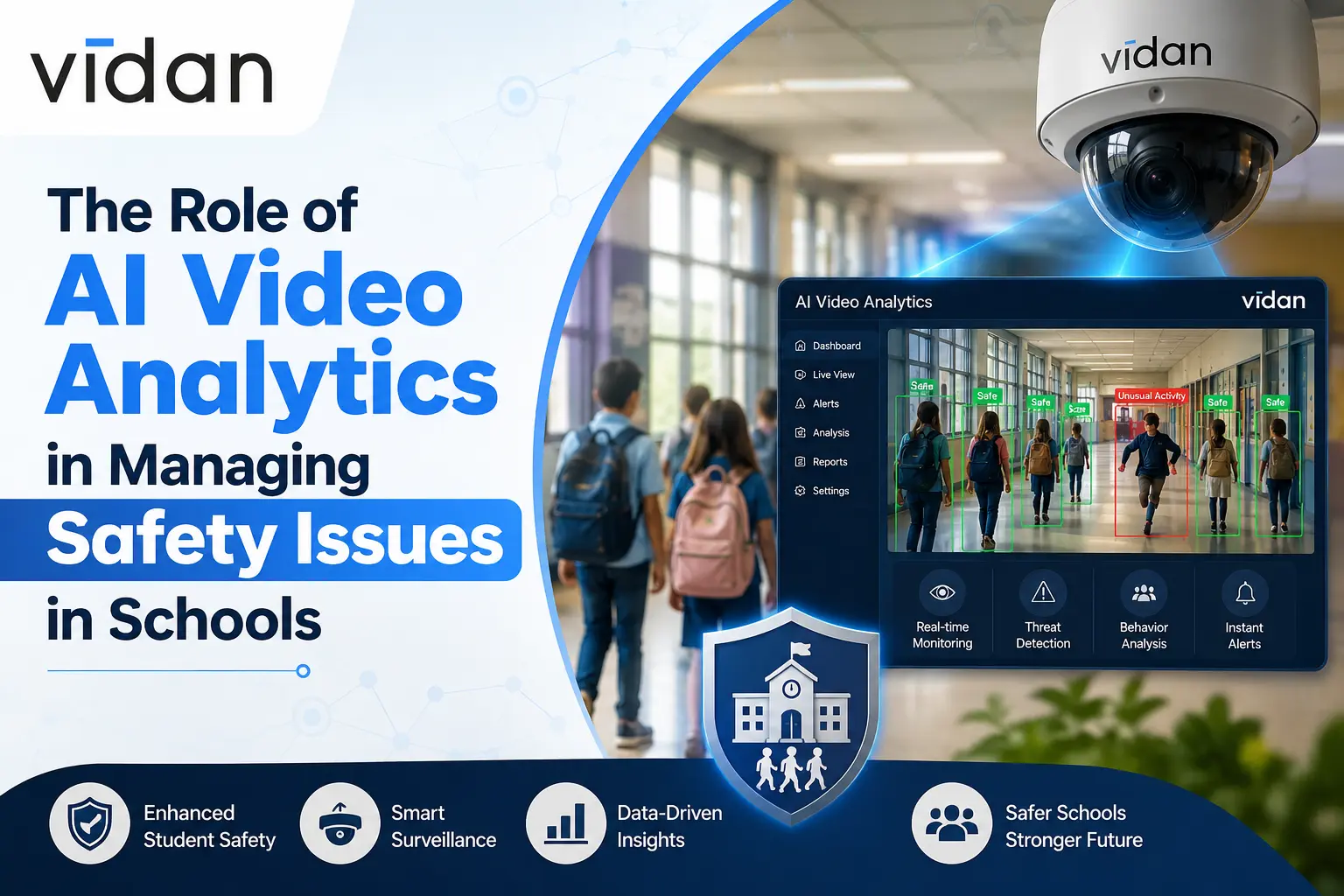
What if your school’s security system is watching but never actually seeing? There is a fundamental difference between surveillance and intelligence. Most schools today have the first. Very few have the second.
This is not a technology trend. This is an operational shift that is rewriting how security teams protect people, property, and assets across every industry. At Vidan AI, we work at the center of this shift. We have seen firsthand how AI transforms response times from minutes into seconds and from reactive to proactive.
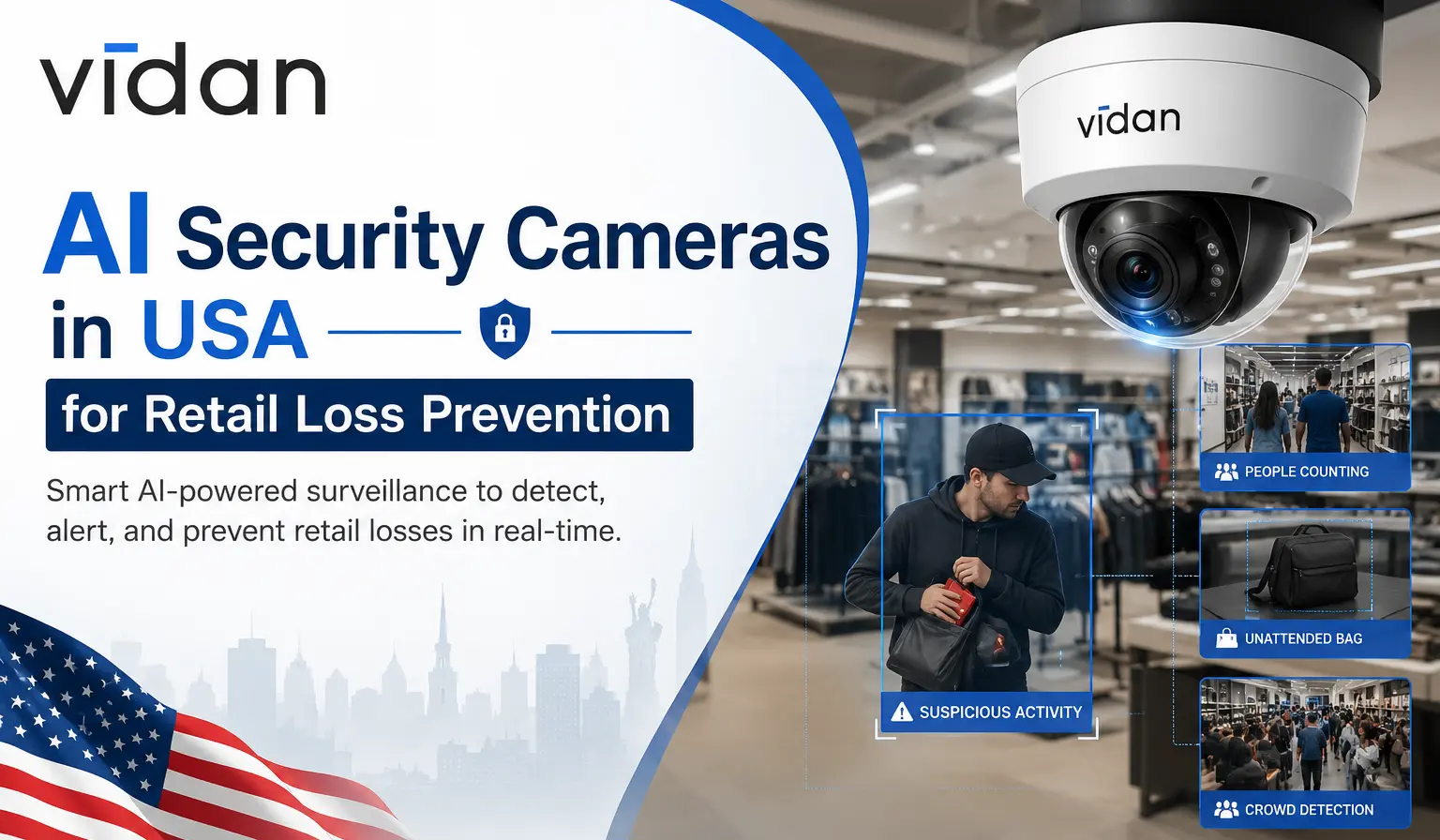
Retailers across the United States lose over $112 billion annually to shrinkage. That number is not slowing down. Shoplifting is more organized. Internal theft is harder to trace. And traditional surveillance systems were never built for the scale of the problem modern retailers face.
Saudi construction sites are losing money every day. Not from poor engineering. Not from bad planning. From gaps in visibility that no human security team can fully close.
Saudi Arabia is not just building cities. It is engineering civilizations. A smart city is only as intelligent as the data feeding it. Every road, construction site, oil facility, and public space generates thousands of data points every second. Without the right systems to capture, analyze, and act on that data, even the most advanced infrastructure becomes blind.

Security threats do not wait. They do not announce themselves. They do not give operators a second chance. Yet most surveillance systems still rely on human eyes staring at dozens of screens. One blink, one distraction, one missed frame, and the damage is done.
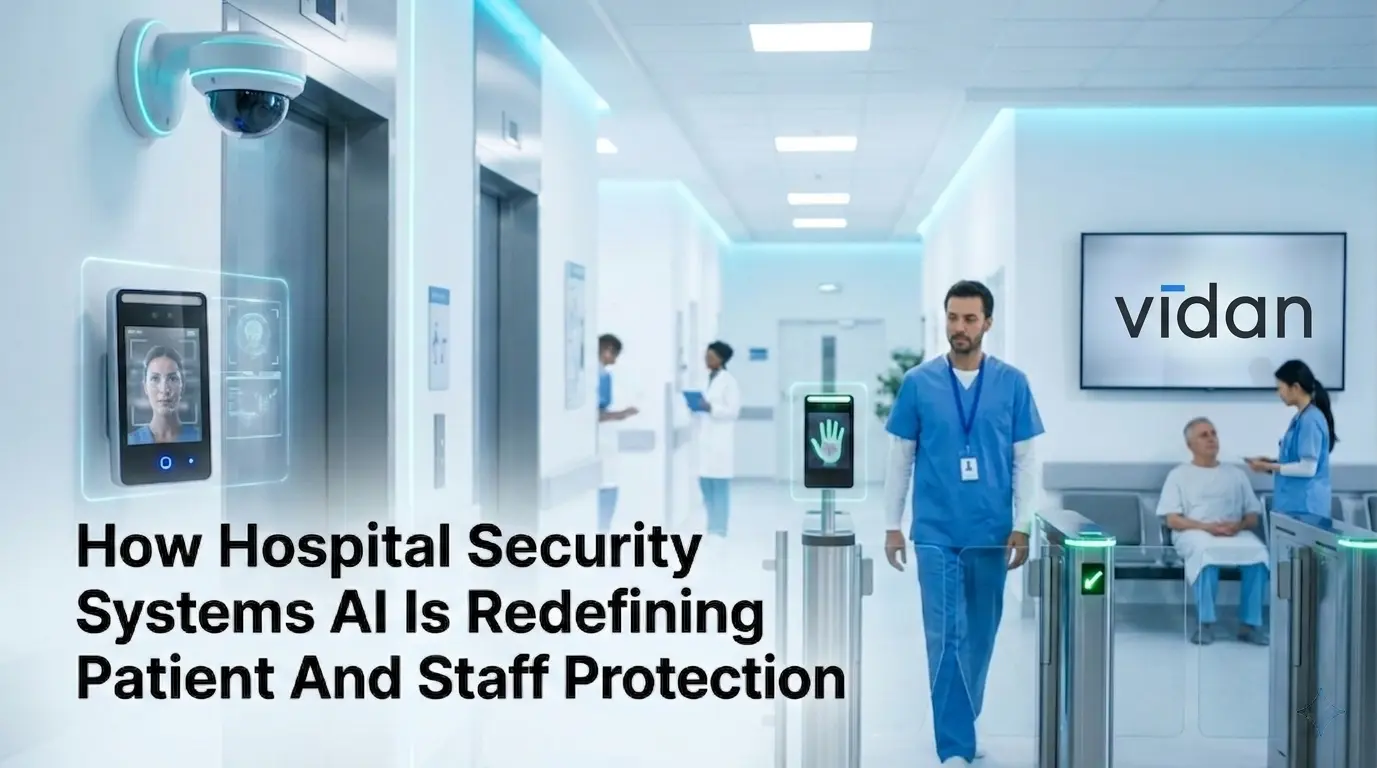
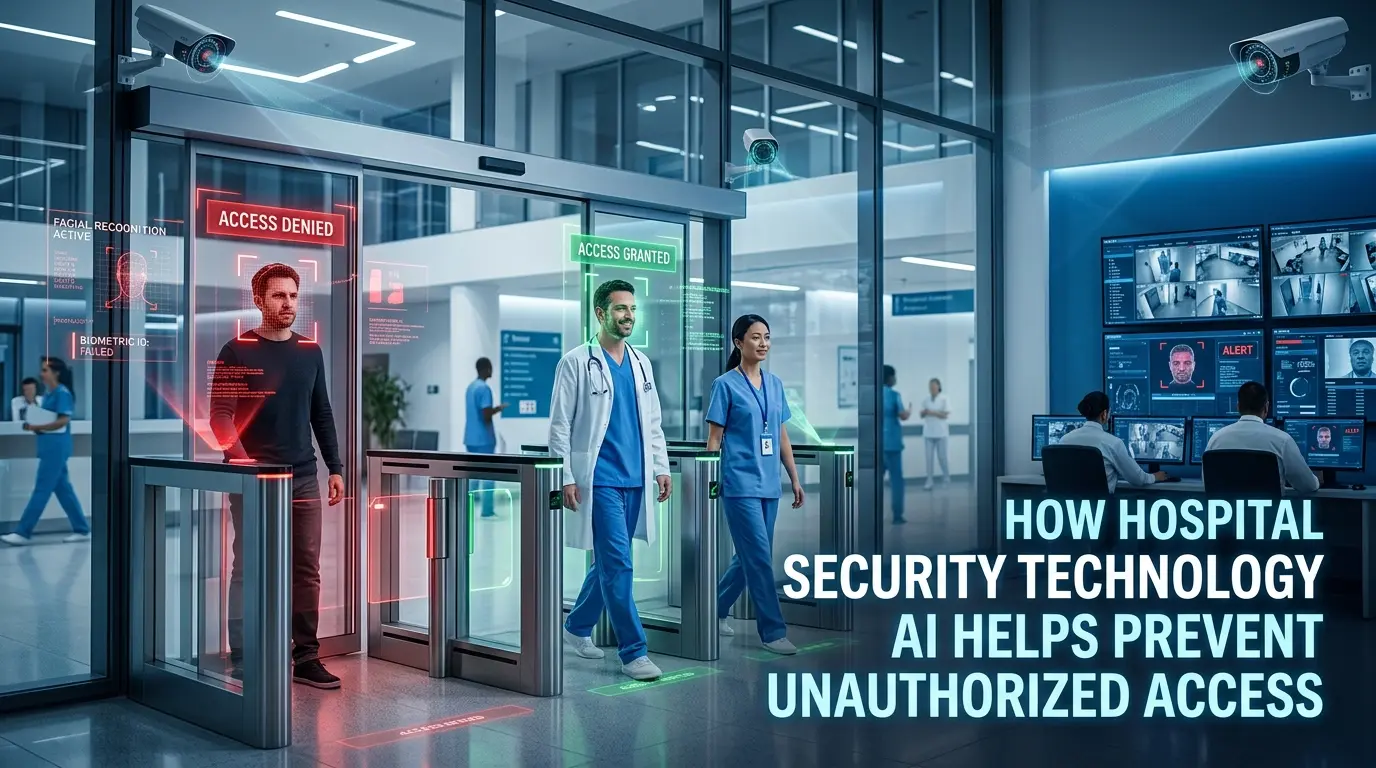
Every day, thousands of people walk through hospital doors. Some are patients. Some are staff. Some are visitors. And some should never have gotten past the front desk. Hospitals in the United States see millions of visitor interactions annually. Yet many facilities still rely on paper logbooks, manual badge systems, and front desk staff stretched too thin to catch every risk.
Every 39 seconds, a healthcare data breach or unauthorized access incident occurs somewhere in the world. Yet most hospitals still rely on keycards issued years ago, PIN codes shared between shifts, and security guards stretched thin across massive facilities.
Healthcare security planning has crossed a turning point. It is no longer a compliance checkbox. It is a clinical and operational necessity. The CIOs who recognize this today will be the ones protecting lives tomorrow.
A patient slips out of a monitored ward. A staff member faces a threat in an empty hallway. A restricted area gets accessed without clearance. These are not edge cases. They happen in hospitals every single day.
Hospital security technology AI has changed the equation entirely. It does not just respond to threats. It predicts them, flags them, and stops them before harm occurs.
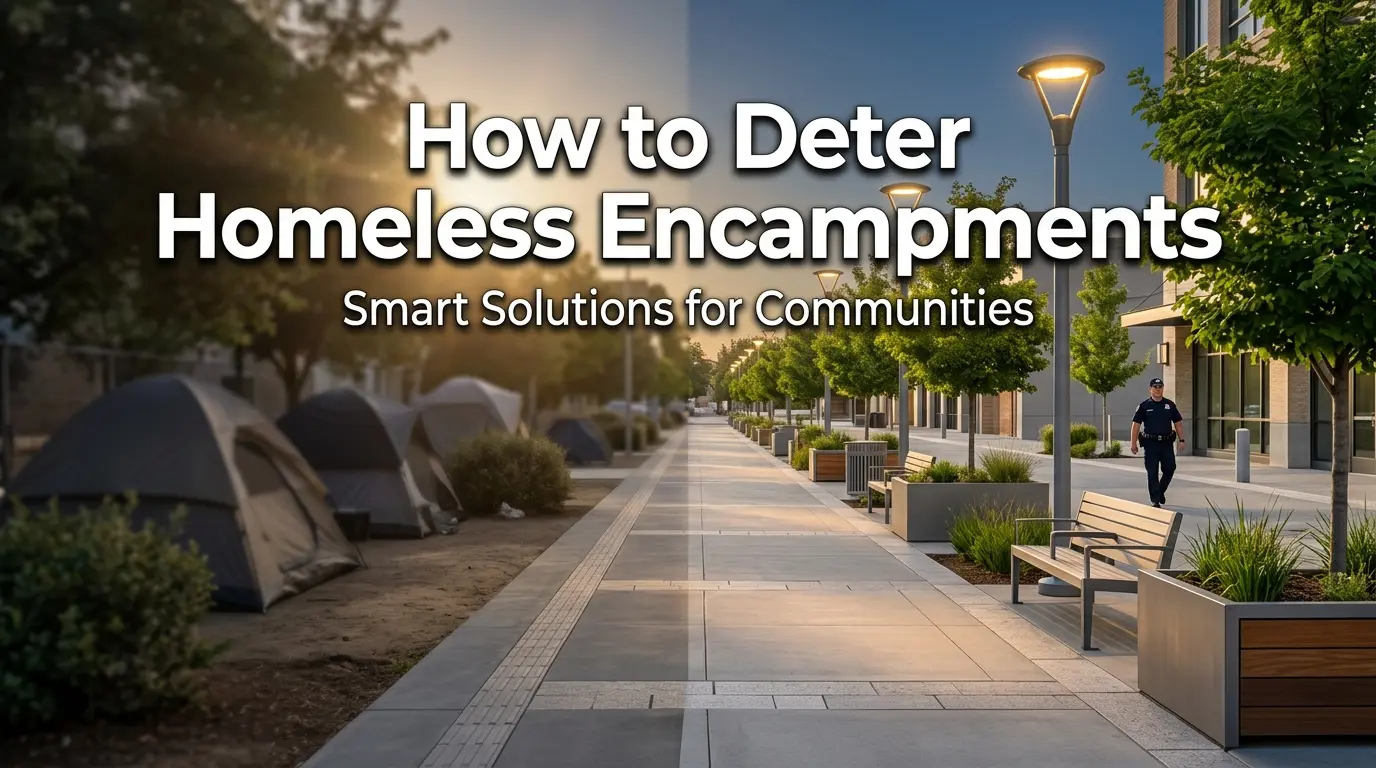
A park, a parking lot, a storefront. One morning, it looks fine. The next? A full encampment has appeared overnight. Communities across the country face this growing challenge. Business owners feel powerless. Residents feel unsafe. Local governments feel overwhelmed. Traditional enforcement alone is not working anymore.
Every business owner has felt it. That uneasy moment when you spot someone lingering too long near your entrance. Homeless on the street, trespassing on private property, or simply hanging around with no clear purpose. It feels minor. But the cost is not.
why every construction company needs a time lapse camera is not a trend question anymore. It is a survival question. Projects that lack visual documentation face 3x more contract disputes and accountability gaps that cost tens of thousands.
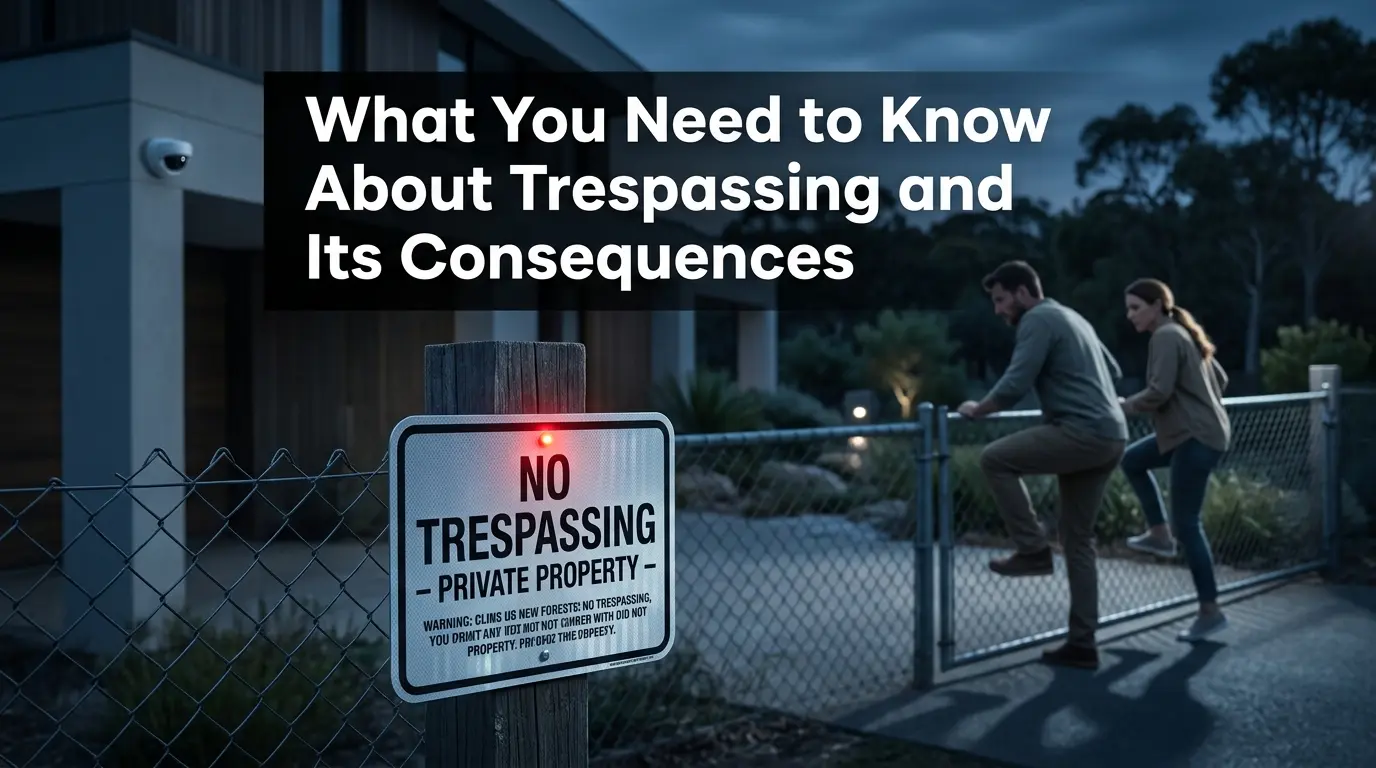
Every 26 seconds, a property crime occurs in the United States. Most start the same way: someone crosses a boundary they were never supposed to cross. Trespassing stores, warehouses, construction sites, and private facilities costs businesses millions annually. Yet many property owners only discover a breach after the damage is done.
Perimeter security is no longer about walls and wire. It is about knowing what approaches your boundary before it becomes a problem. Businesses that rely on physical barriers alone are operating on borrowed time.
The difference between a business that survives this and one that doesn’t often comes down to a single document: a one-page memo between fraud and internal controls. Clear policies. Defined boundaries. And the right technology watching when no one else is.
Now multiply that risk across an entire lot full of inventory. For dealerships, the threats don’t stop at theft. From internal fraud to blind-spot surveillance gaps, car showroom problems are costing the industry billions annually, and most owners don’t realize the damage until it’s too late.
Want to prevent car theft without lifting a finger? A passive disabling device is an anti-theft system that secures your car the moment you turn off the engine and walk away.
Metal theft is not a petty crime. It is a calculated, organized operation draining billions from businesses, municipalities, and property owners every year.

Category: Security

Post Type: Article

Most people assume trespassing means sneaking into a fenced property at midnight. But the law sees it very differently.

Category: Security

Post Type: Article

Every business owner faces a critical decision: how to protect their assets, employees, and customers from potential threats.

Category: Security

Post Type: Article

Construction sites lose $2.8 billion annually to equipment-related accidents.

Category: Security

Post Type: Article

Construction theft costs the industry over $1 billion annually in the United States alone. Equipment vanishes overnight.

Category: Security

Post Type: Article

Security breaches don’t always involve breaking locks or scaling fences. Sometimes, the threat drives right through your front gate.

Category: Security

Post Type: Article

Home break-ins occur every 26 seconds in the United States. That’s over 3,300 burglaries per day, according to FBI statistics.

Category: Security

Post Type: Article

When a 911 call comes in, the difference between life and death often depends on trust.

Category: Security

Post Type: Article

A man stands outside a convenience store for 30 minutes. A group of teenagers sits on a public bench for hours. Are these innocent activities or criminal offenses? The answer depends on context, location, and intent.

Category: Security

Post Type: Article

Construction sites operate as dynamic environments where materials arrive in waves, tools circulate between teams, and equipment shifts locations hourly. Traditional construction site storage relies on.

Category: Security

Post Type: Article

Discover how infrared night vision cameras work. Explore IR illuminators, why night vision is popular on cameras, and tips for selecting the security technology.

Category: Security

Post Type: Article

Do security cameras deter crime? What’s the Impact of Security Cameras, and discover why infrared technology makes modern cameras essential for home security.

Category: Security

Post Type: Article

The humble surveillance camera has evolved from grainy, tape-recording equipment into intelligent systems that can recognize faces, detect unusual behavior, and alert you instantly when something goes wrong.

Category: Security

Post Type: Article

In this comprehensive guide, we’ll cut through the noise and help you navigate the world of PTZ surveillance cameras, exploring everything from basic features to advanced specifications.

Category: Security

Post Type: Article

Picture this: You’re standing in front of your home at 2 AM, watching footage of a package thief who struck just hours earlier. Thanks to your security camera, you’ve got crystal-clear evidence, and the police are already on the case.

Category: Security

Post Type: Article

Discover how apartment security is evolving with smart CCTV cameras, AI monitoring, and proactive safety measures to protect your building.

Category: Security

Post Type: Article

Ever Wonder How Top Manufacturers Are Cutting Safety Incidents by 23% While Boosting Productivity?

Category: Security

Post Type: Article

For manufacturing leaders today, that’s not a futuristic fantasy. It’s becoming a necessary reality. As regulatory bodies tighten standards and workplace incidents carry heavier consequences

Recommended for You