Security Blog

Saudi Arabia is not just building cities. It is engineering civilizations. A smart city is only as intelligent as the data feeding it. Every road, construction site, oil facility, and public space generates thousands of data points every second. Without the right systems to capture, analyze, and act on that data, even the most advanced infrastructure becomes blind.
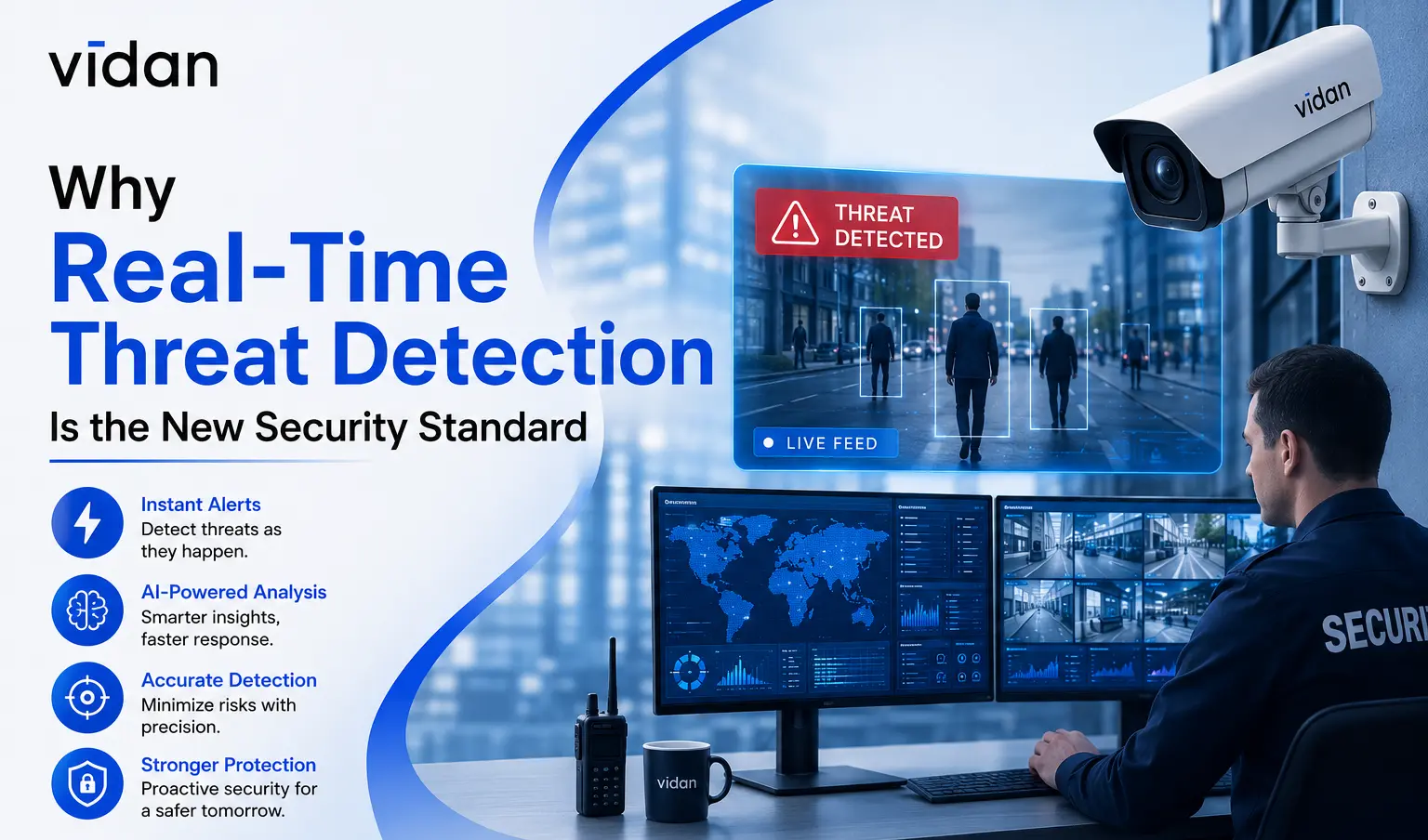
Security threats do not wait. They do not announce themselves. They do not give operators a second chance. Yet most surveillance systems still rely on human eyes staring at dozens of screens. One blink, one distraction, one missed frame, and the damage is done.
Every day, thousands of people walk through hospital doors. Some are patients. Some are staff. Some are visitors. And some should never have gotten past the front desk. Hospitals in the United States see millions of visitor interactions annually. Yet many facilities still rely on paper logbooks, manual badge systems, and front desk staff stretched too thin to catch every risk.
Every 39 seconds, a healthcare data breach or unauthorized access incident occurs somewhere in the world. Yet most hospitals still rely on keycards issued years ago, PIN codes shared between shifts, and security guards stretched thin across massive facilities.
Healthcare security planning has crossed a turning point. It is no longer a compliance checkbox. It is a clinical and operational necessity. The CIOs who recognize this today will be the ones protecting lives tomorrow.
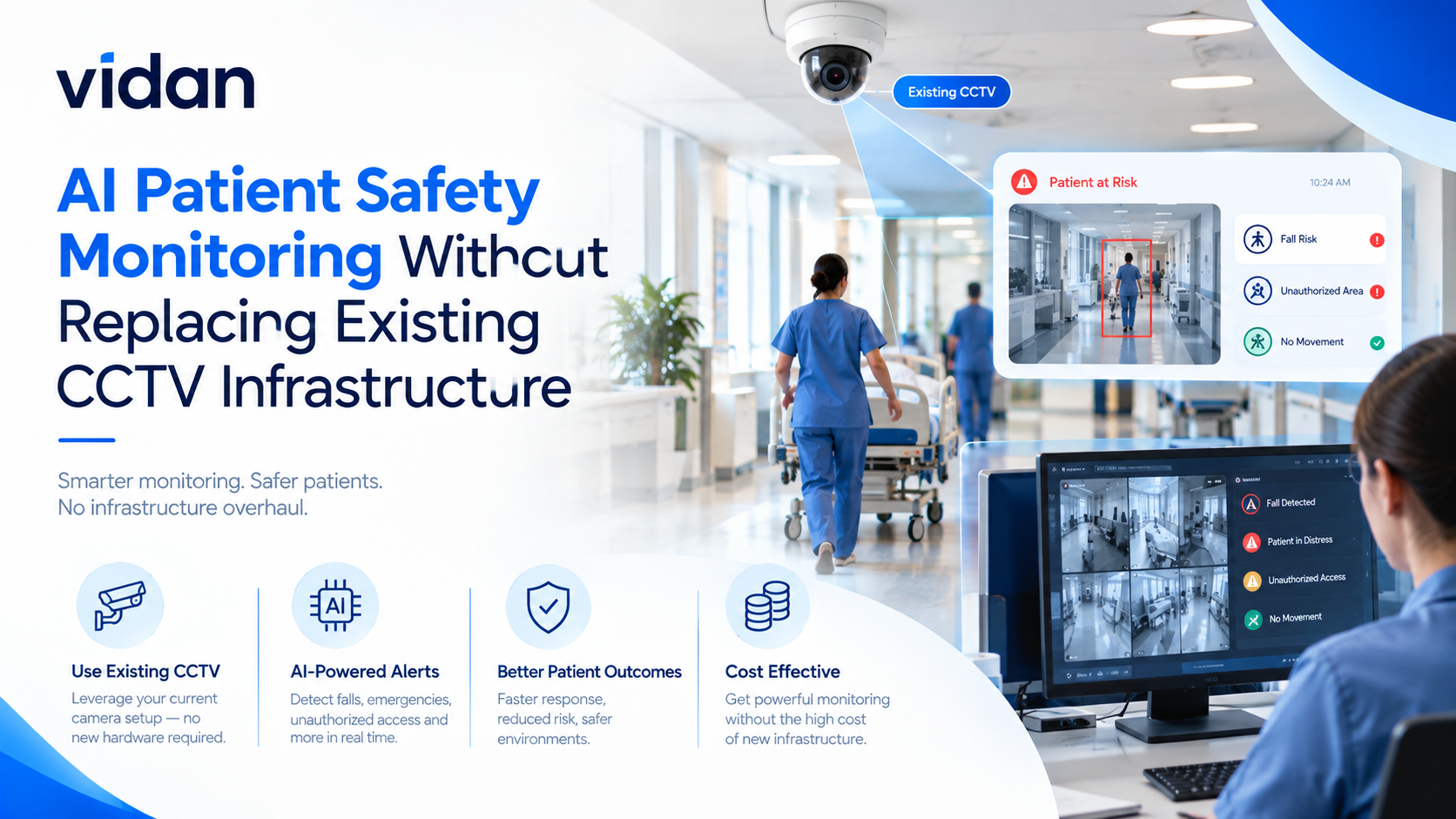
A patient slips out of a monitored ward. A staff member faces a threat in an empty hallway. A restricted area gets accessed without clearance. These are not edge cases. They happen in hospitals every single day.
Hospital security technology AI has changed the equation entirely. It does not just respond to threats. It predicts them, flags them, and stops them before harm occurs.
A park, a parking lot, a storefront. One morning, it looks fine. The next? A full encampment has appeared overnight. Communities across the country face this growing challenge. Business owners feel powerless. Residents feel unsafe. Local governments feel overwhelmed. Traditional enforcement alone is not working anymore.
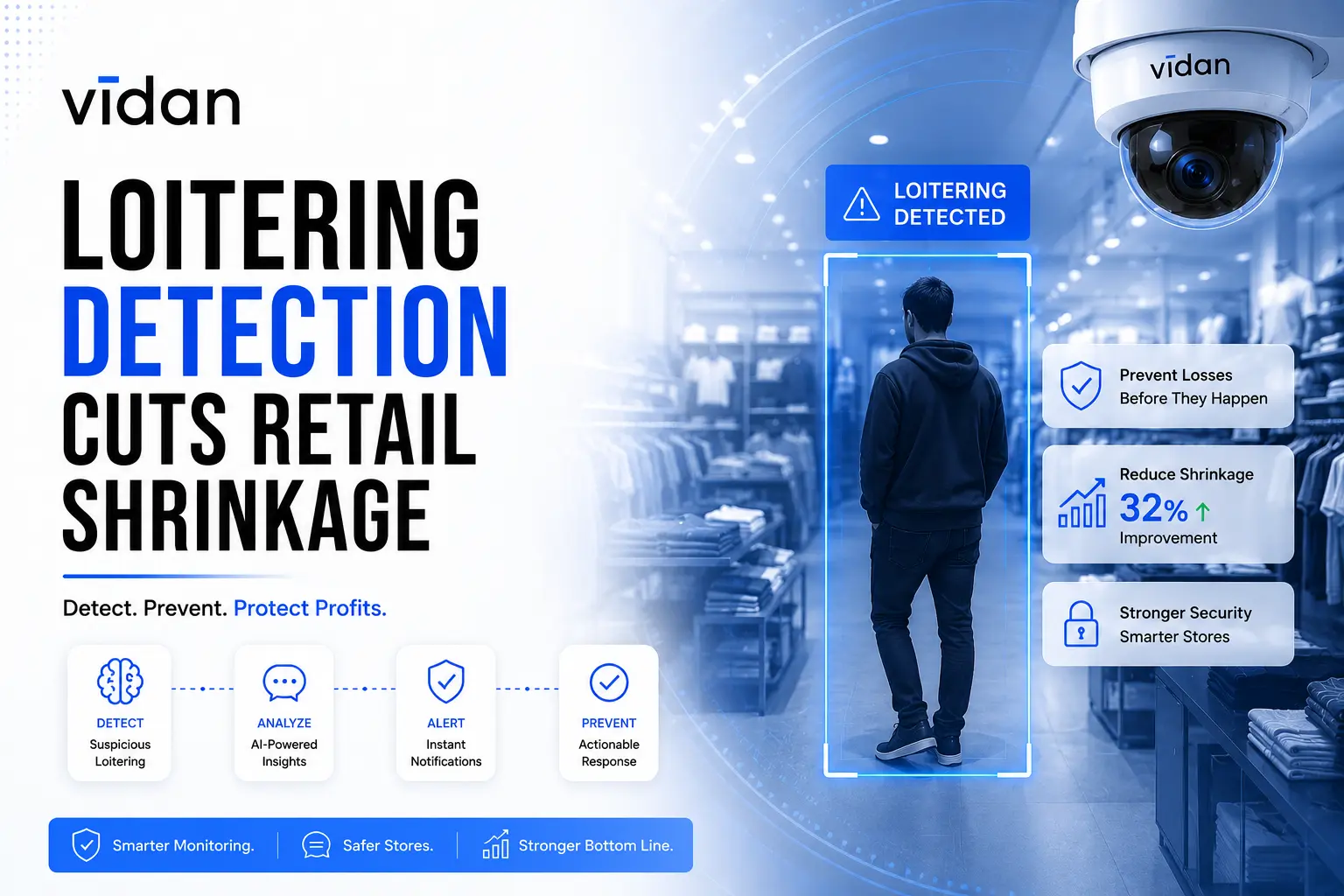
Every business owner has felt it. That uneasy moment when you spot someone lingering too long near your entrance. Homeless on the street, trespassing on private property, or simply hanging around with no clear purpose. It feels minor. But the cost is not.
why every construction company needs a time lapse camera is not a trend question anymore. It is a survival question. Projects that lack visual documentation face 3x more contract disputes and accountability gaps that cost tens of thousands.
Every 26 seconds, a property crime occurs in the United States. Most start the same way: someone crosses a boundary they were never supposed to cross. Trespassing stores, warehouses, construction sites, and private facilities costs businesses millions annually. Yet many property owners only discover a breach after the damage is done.
Perimeter security is no longer about walls and wire. It is about knowing what approaches your boundary before it becomes a problem. Businesses that rely on physical barriers alone are operating on borrowed time.

Recommended for You